Eco-friendly boilers are in high demand as we set higher net-zero carbon goals. They save energy and emit fewer emissions. Changing to a new eco-friendly boiler or replacing an old one in 2025 is healthy and within your budget. Eco-friendly boilers use less energy and emit less carbon. Some condensing boilers use 90% waste gas heat. Electric boilers are efficient, mainly when used with solar panels. Biomass boilers use sustainable biological materials like wood pellets or chips, reducing fossil fuel use. The future is bright for boilers since they can run on natural gas and transition to hydrogen fuel when mass adoption occurs.
Ways to Install an Eco-Friendly Boiler
Here are the top steps to follow while installing eco-friendly boilers:
- Check Your Heating Needs
Before installing an eco-friendly boiler, determine your home’s heating needs. Your option depends on your home’s size, insulation, and infrastructure. Smaller homes with less heat may benefit from electric boilers, whereas larger homes may need condensing or biomass boilers. Rural homes may prefer biomass boilers since organic fuel is easier to find. Double-glazed windows and attic insulation can improve boiler performance by limiting heat loss.
- Check Out Area Policies and Incentives
Our boiler standards will reduce energy use and emissions. K2 Mechanicals ensure that replacement boilers perform efficiently. Before buying a hydrogen-ready boiler, find the certification requirements and local hydrogen fuel equipment.
- Choose the Right Boiler
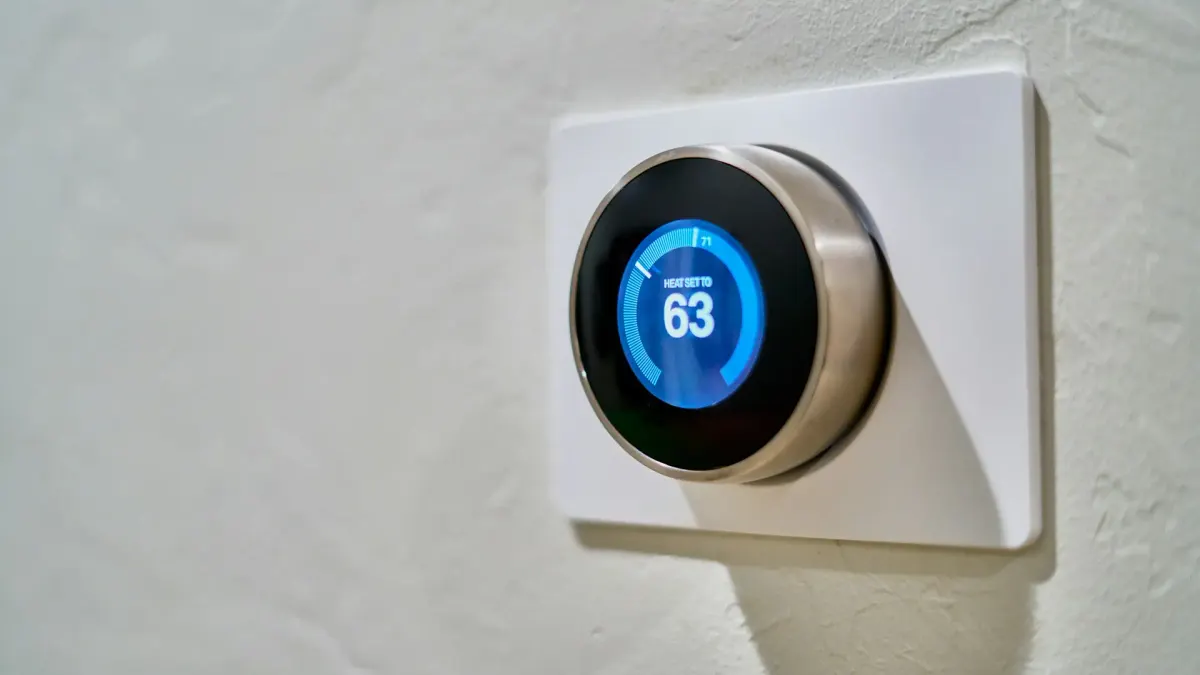
Choose an eco-friendly boiler to maximise efficiency and long-term benefits. Highlight smartness, warranty length, and energy efficiency. Modern eco-friendly boilers have smart thermostats and app-based settings for remote energy management. Choose a trustworthy source that sells high-quality boilers from renowned firms. Reliable dealers provide extended warranties and installation assistance to ensure a seamless transaction.
- Hire Certified Installers
Safe and effective installation requires understanding. Research, review, and compare quotes from several firms to find the best installation for an eco-friendly boiler that fits your needs and budget.
- Prepare Your Home for Installation
Prepare your home for the new system before installing it. Find out how much electricity an electric boiler can handle and whether gas or biomass is available. Older homes may need new flues or plumbing to satisfy modern regulations. Draft sealing and insulation can make your property more energy-efficient before construction. It will cut heating bills and improve your green boiler.
- Maintaining Your Eco-Friendly Boilers
Boilers need regular maintenance to run safely. To maintain biomass boilers, clean ash and rubbish regularly. With a bright boiler, you can use the app to track energy use and optimise settings. Schedule regular maintenance with a competent technician to detect issues early and keep your equipment safe.
Conclusion
Installing an eco-friendly boiler will benefit your home and the environment. To smoothly convert to greener heating, choose the correct system, know how much heat you need, and engage with professionals. Government aid and new technologies are now the best time to switch. Make your home greener today with K2 Mechanicals and save future generations.