Heating, Furnaces & Boilers
These articles cover the heating systems most common on Long Island: gas and oil furnaces, hot-water and steam boilers, and the thermostats that control them. They are for homeowners who want to understand a no-heat call before it happens, and most heating repairs are completed the same day; the cost depends on the failed component, the fuel type and how old the equipment is.
A large share of homes between Deer Park, Babylon and the Huntington line still heat with oil-fired boilers feeding baseboard radiators, while newer construction and many renovated homes run gas furnaces with ductwork. Each fails in its own way. Boilers lose pressure, circulator pumps seize and expansion tanks waterlog; furnaces trip on dirty flame sensors, failed igniters and blocked condensate drains on high-efficiency units. The first cold week of the season brings a wave of these calls, which is why fall maintenance matters so much here.
You will find step-by-step checks you can make safely, such as confirming the thermostat is calling for heat, resetting a tripped switch and replacing a clogged filter, along with explanations of the work that needs a professional: burner service, heat exchanger inspection, carbon monoxide safety and boiler replacement. We also explain when a repair is still worth doing on an older system and what to weigh when you replace it, including whether a cold-climate heat pump makes sense for your home.
If you have no heat right now, use the troubleshooting guides below and then call K2 at (631) 414-7141. We answer around the clock and dispatch heating technicians from our shop at 60 S 2nd St, Unit V in Deer Park.
Looking for help rather than reading? See our heating repair service or request service online.
All Heating Articles (30)
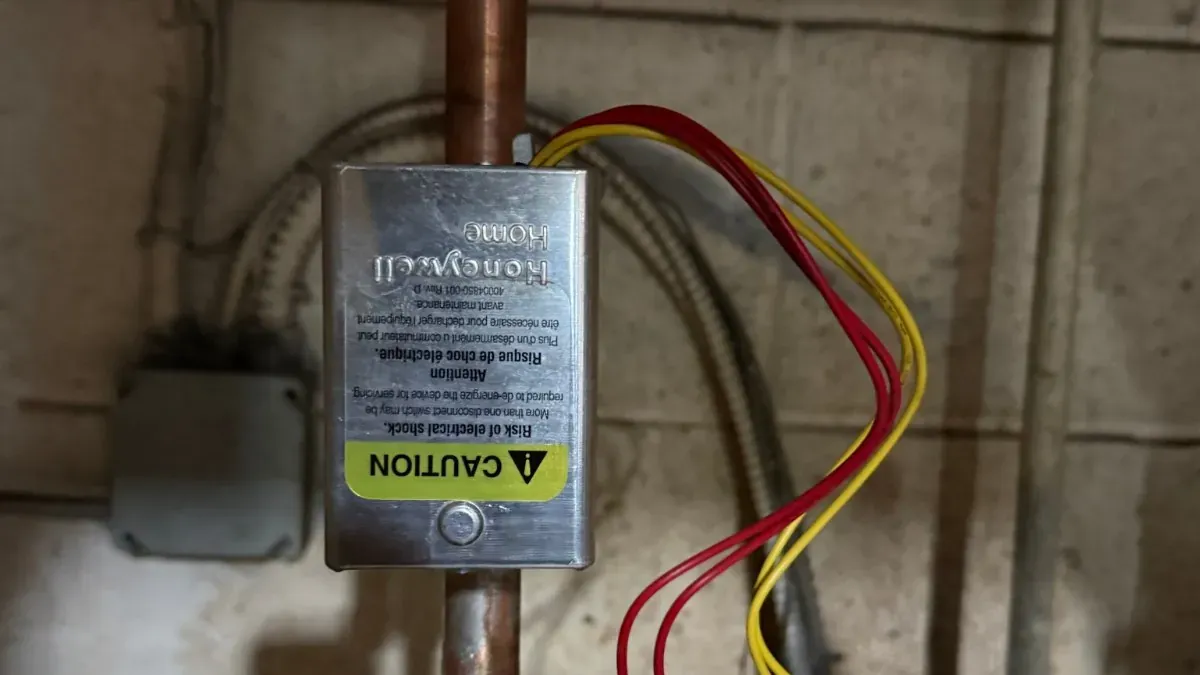
Zone Valve Not Working? One Heating Zone Cold or Stuck On
One zone cold while the rest of the house is warm, or a room that won't stop heating? The zone valve is the usual suspect. Here's how to check it.
Space Heater Safety: When It's Time to Fix Your Heat Instead
Space heaters cause most home heating fire deaths. Use one safely, and learn the signs your furnace or boiler needs a repair instead.
Hosting Thanksgiving? Get Your Heating System Ready Before the Guests Arrive
Hosting Thanksgiving this year? Here's the two-week heating checklist our Long Island technicians recommend so your house stays warm, quiet and safe when the guests walk in.
Thermostat Says Heat Is On but the House Is Cold: 7 Things to Check First
Thermostat says heat is on but your house is still cold? Here are the 7 checks our Long Island technicians run first, from thermostat settings and filters to oil tanks and furnace lockouts.
How Long Does a Boiler Last? 7 Signs Yours Is Near the End
Most boilers last 15 to 30 years. Here's how long each type usually runs on Long Island, and the 7 signs yours is getting close to the end.
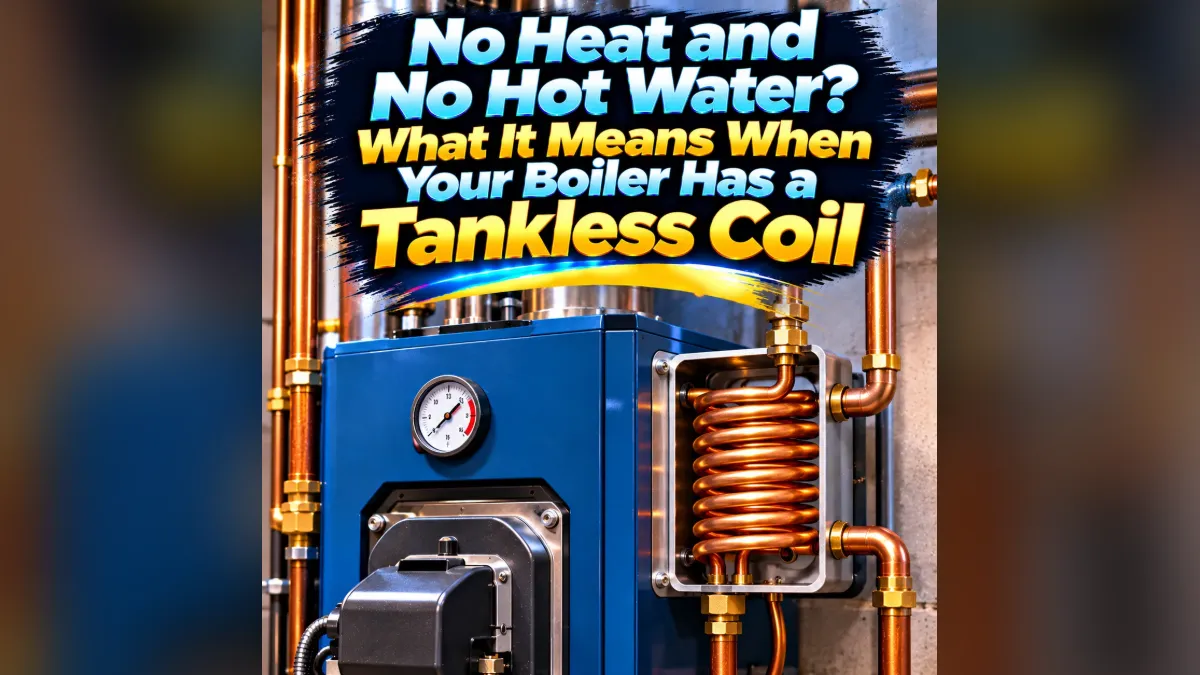
No Heat and No Hot Water? What It Means When Your Boiler Has a Tankless Coil
When the heat and the hot water quit together, your boiler is almost always the reason. Here's how a tankless coil works, what usually fails, and what you can safely check before you call.
Boiler Kettling: Why Your Boiler Sounds Like a Tea Kettle
A boiler that rumbles, pops or whistles like a tea kettle is overheating inside. Here is what causes kettling and when to call a pro.
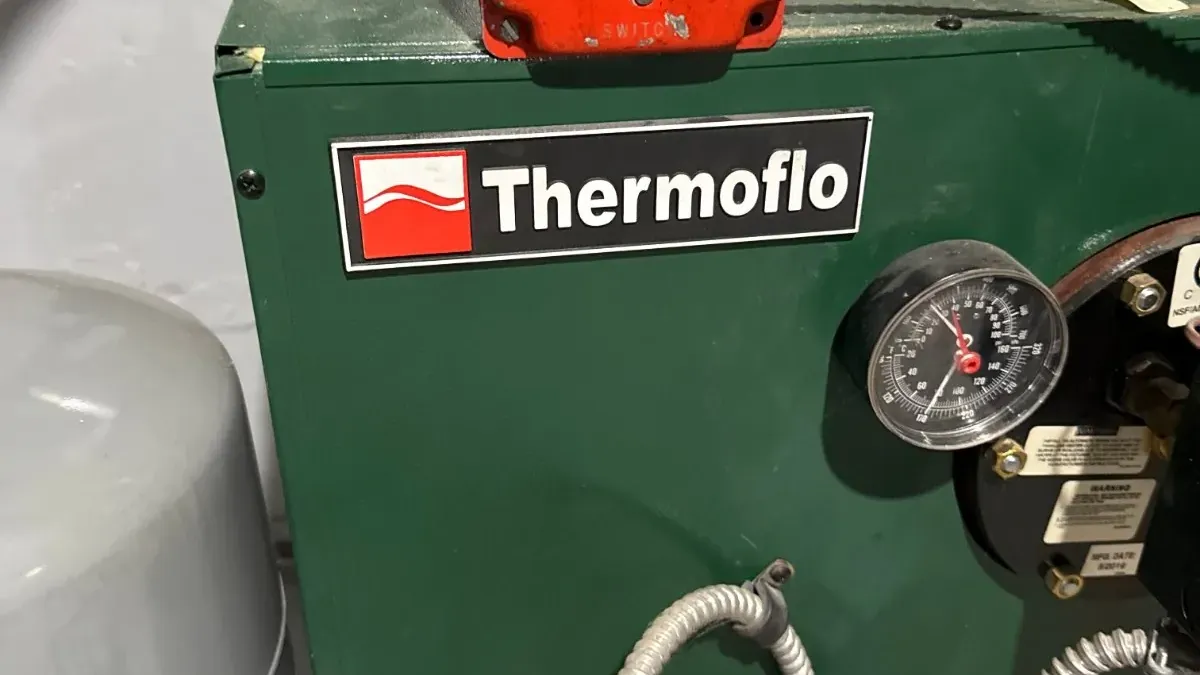
Boiler Won't Restart After a Power Outage? Safe Reset Steps and When to Call
Most boilers restart on their own after a power outage. When yours doesn't, these are the safe checks to make, what one reset can fix, what never to do, and when to call.
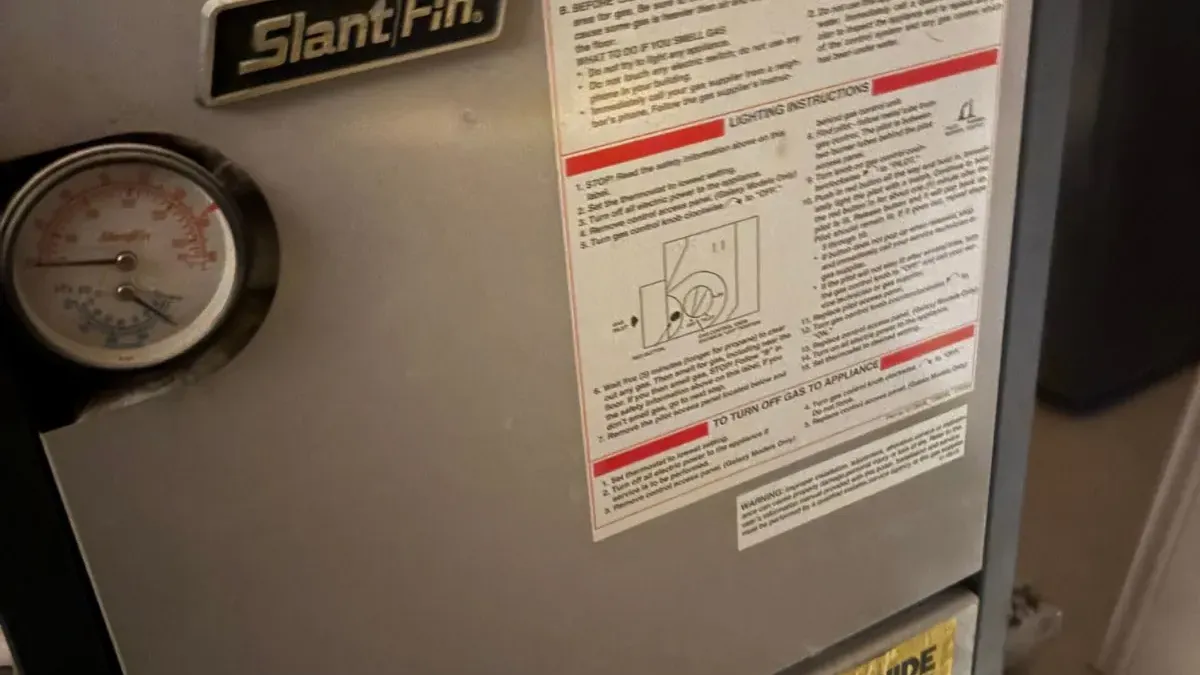
Steam Radiators Banging or Not Heating? Causes and Fixes for Long Island Homes
Banging pipes and cold radiators in a steam system usually come down to trapped water, stuck air vents, the boiler's water level or its pressure. Here's how to tell which.
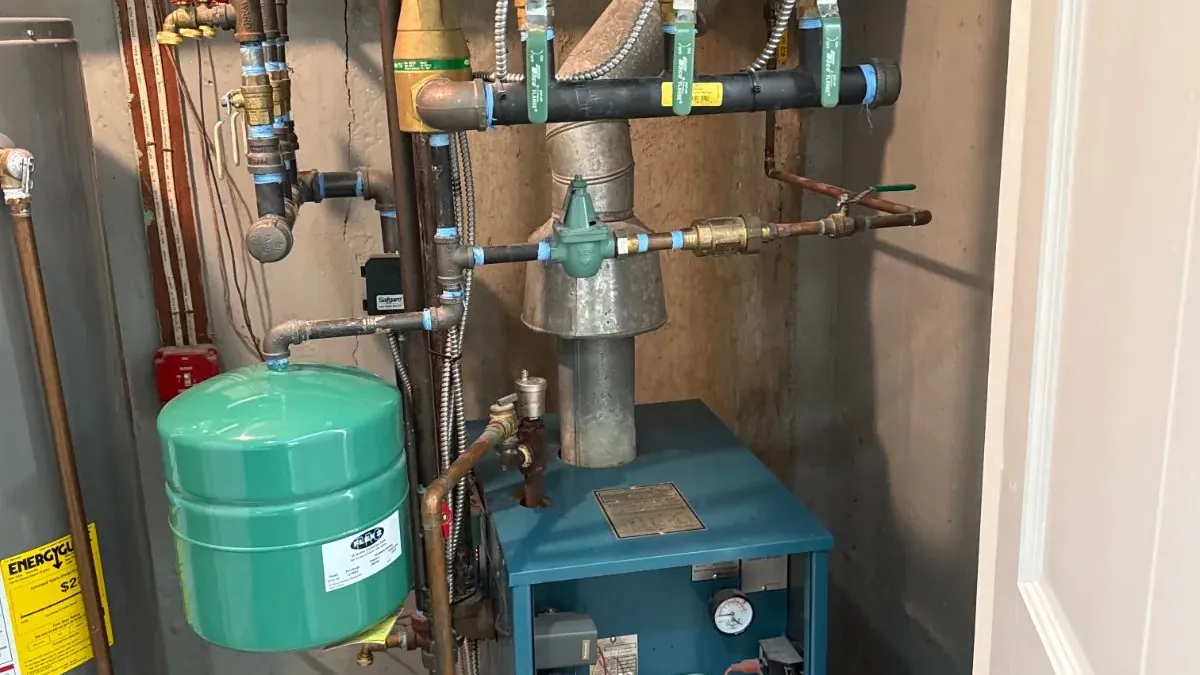
Upstairs Rooms Cold in Winter? Why Heat Is Uneven Between Floors
Heat rises, yet the bedrooms are cold. Here's why two-floor Long Island homes heat unevenly, from attic ducts and missing returns to air-bound boiler zones, and the fixes that work.
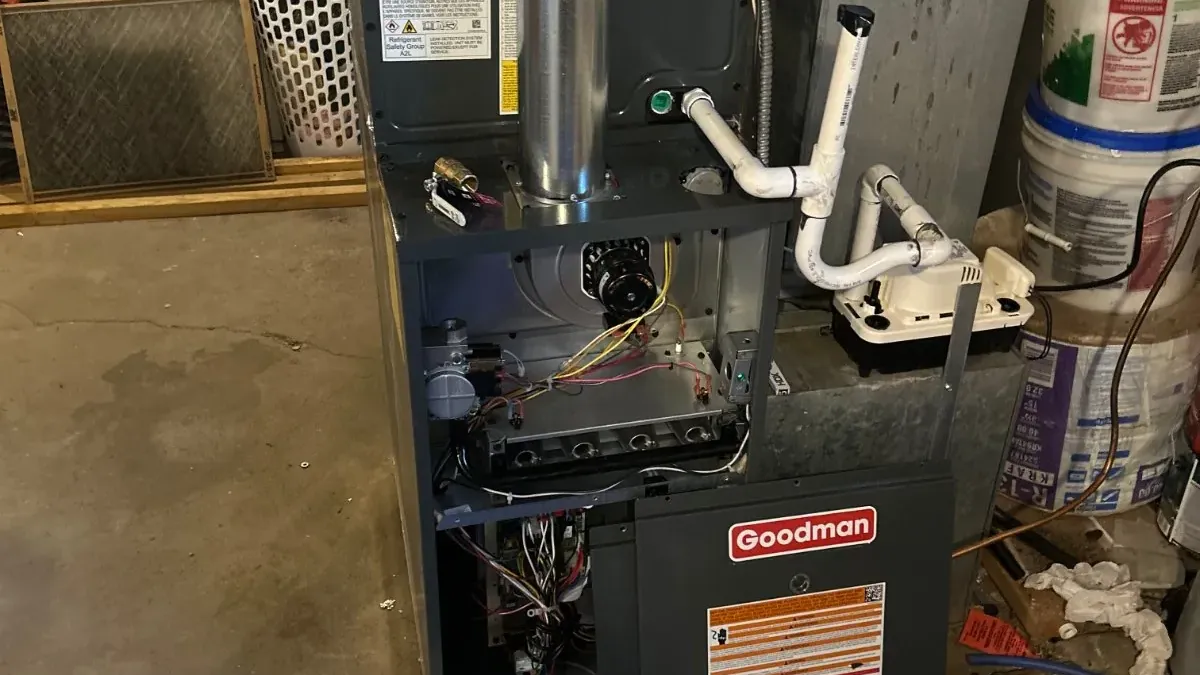
High-Efficiency Furnace Shutting Off in the Cold? Check the Condensate Line and Vents
A 90%+ furnace makes water and breathes through PVC pipes. When either freezes or gets buried in snow, the furnace shuts itself off. Here's what to check.
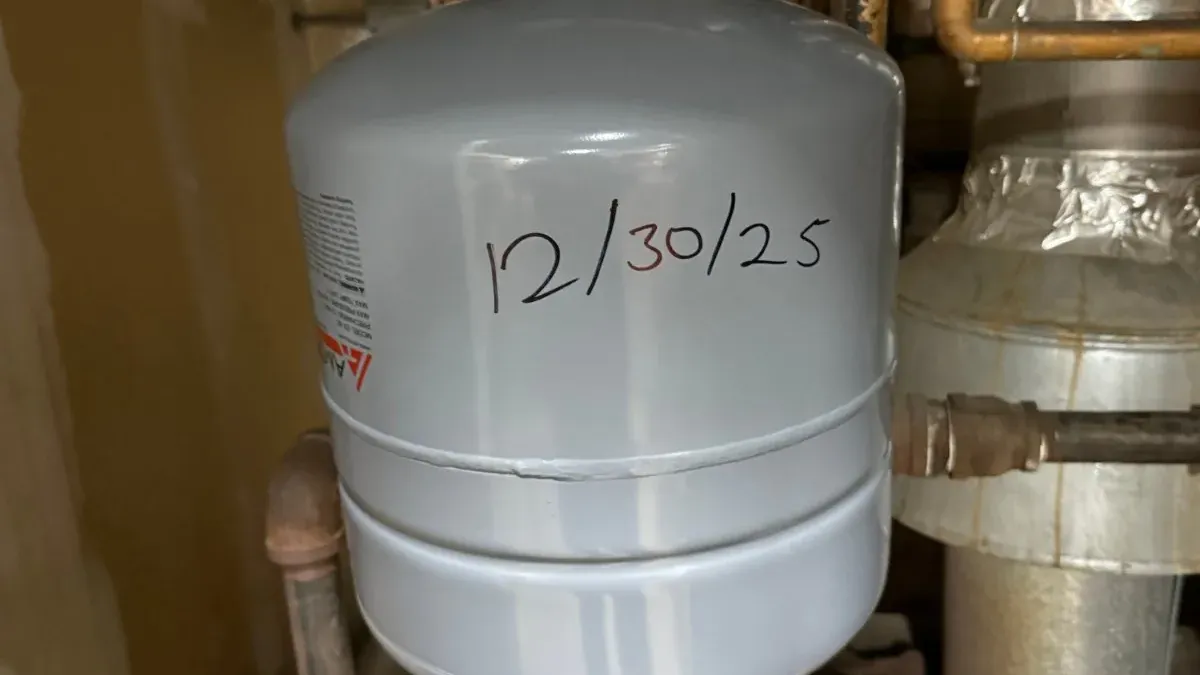
How to Keep Boiler and Baseboard Pipes From Freezing on Long Island
Baseboard pipes along outside walls are the first to freeze when a boiler stops. Here's what puts them at risk, how to protect them and what to do if the heat goes out.
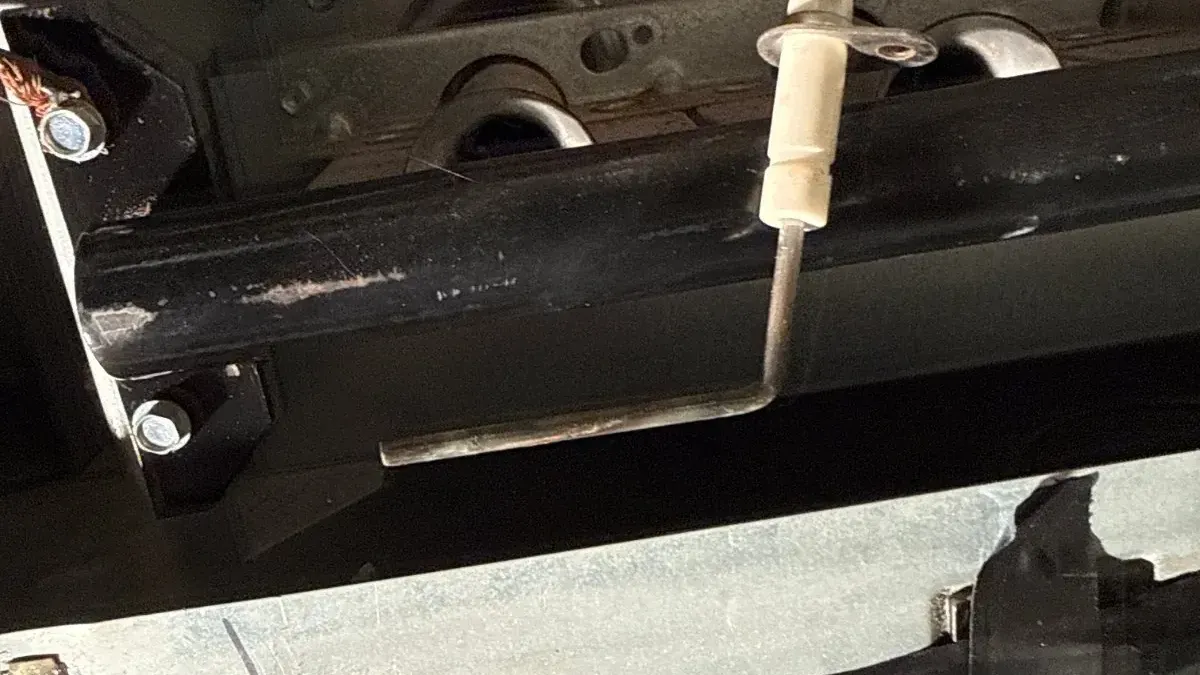
Why Does My Furnace Turn On and Off Every Few Minutes?
A furnace that starts, runs a few minutes and shuts off is short cycling. Here are the usual causes, from a dirty filter to a dirty flame sensor, and what you can check.
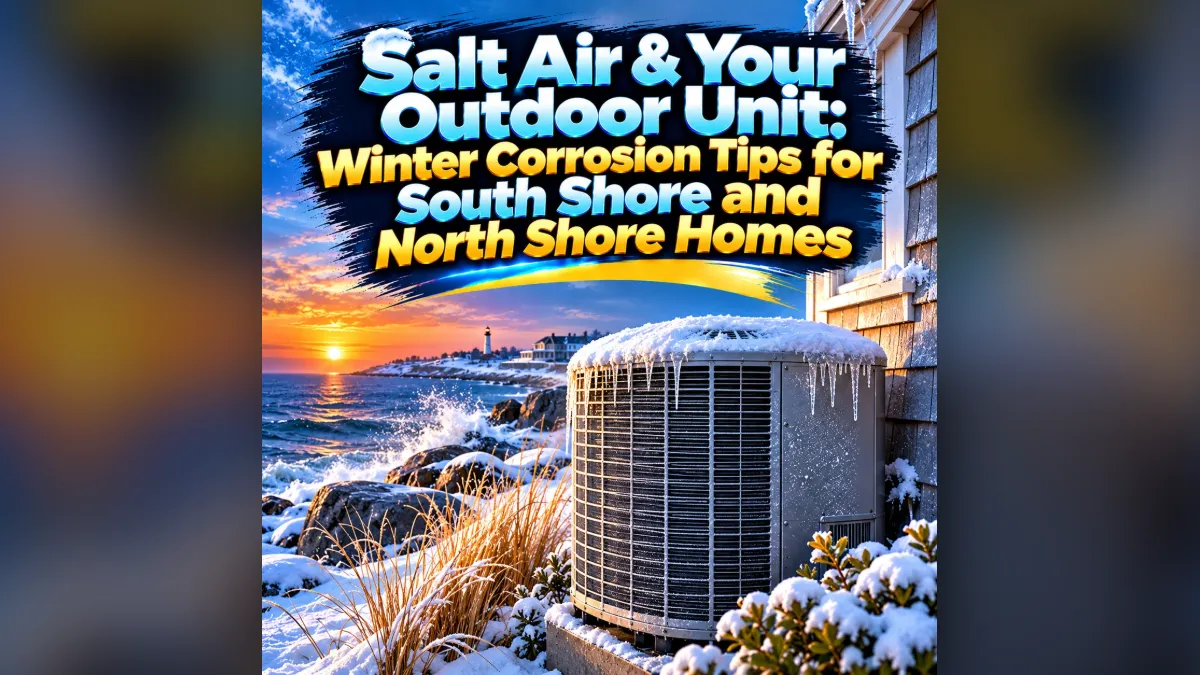
Salt Air & Your Outdoor Unit: Winter Corrosion Tips for South Shore and North Shore Homes
Salt air from the bays and the Sound, plus road salt from winter plows, quietly eats away at outdoor AC and heat pump units across Long Island. Here's how to spot corrosion early and protect your system this winter.
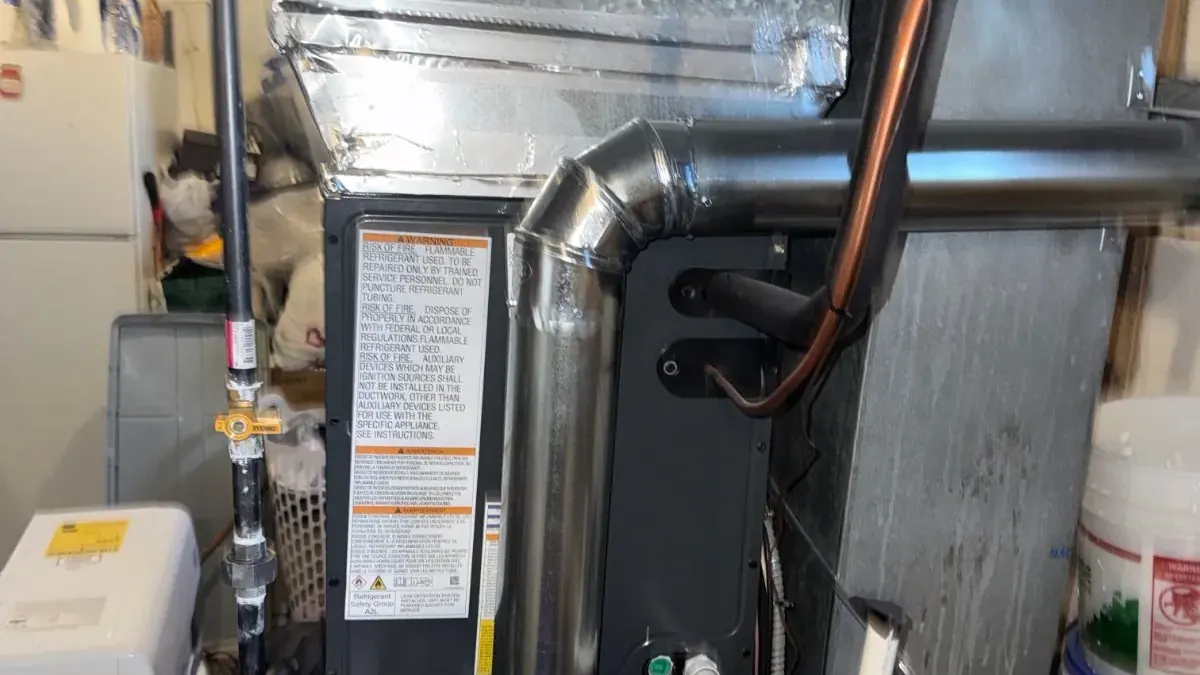
Oil Tank Removal on Long Island: What Homeowners Need to Know
What NYSDEC says about closing a home heating oil tank, who to check with in Suffolk and Nassau, and what happens to the tank when you switch to gas or a heat pump.
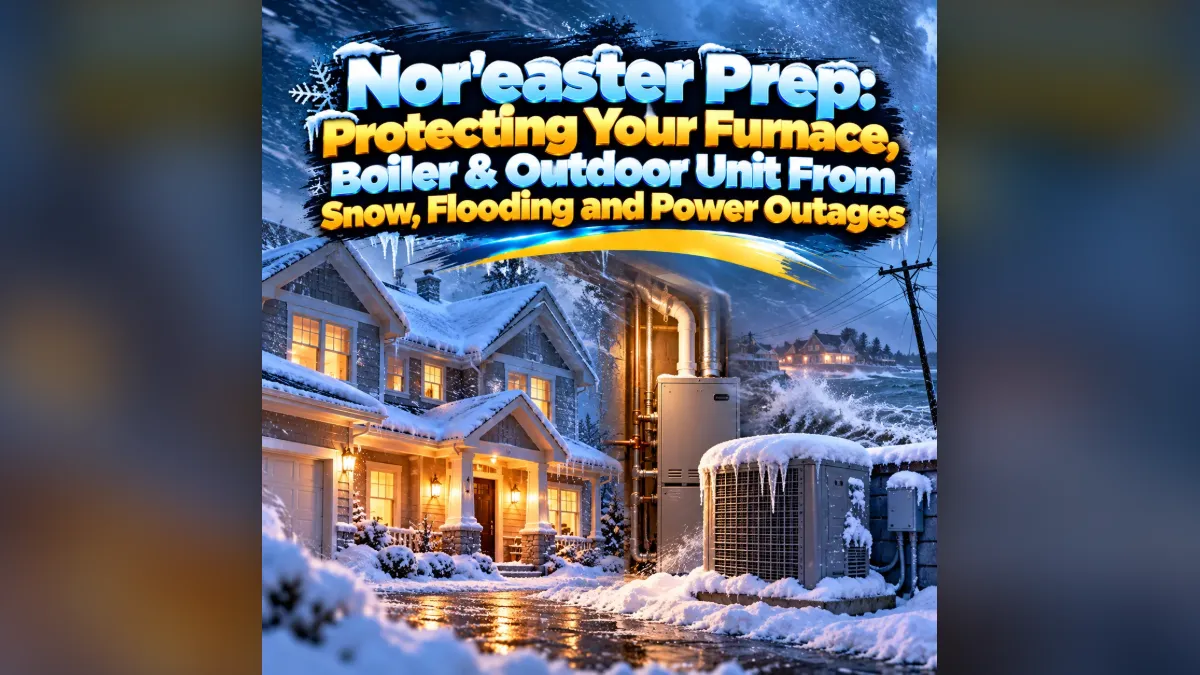
Nor'easter Prep: Protecting Your Furnace, Boiler & Outdoor Unit From Snow, Flooding and Power Outages
A nor'easter can bury your outdoor unit, block your furnace vents, flood the basement boiler and knock out power for days. Here's how Long Island homeowners can protect their heating system before, during and after the storm.
Baseboard Heat Not Working in One Room? Air, Boiler Pressure and Zones Explained
Many Long Island homes heat with hot water baseboard. When one room stays cold, the cause is usually trapped air, low boiler pressure or a stuck zone valve. Here's how to tell which one.
Carbon Monoxide and Your Heating System: What Long Island Homeowners Need to Know
If your Long Island home has a gas or oil furnace, boiler or water heater, New York law requires carbon monoxide alarms. Here's where they go, what causes CO, and what to do if one sounds.
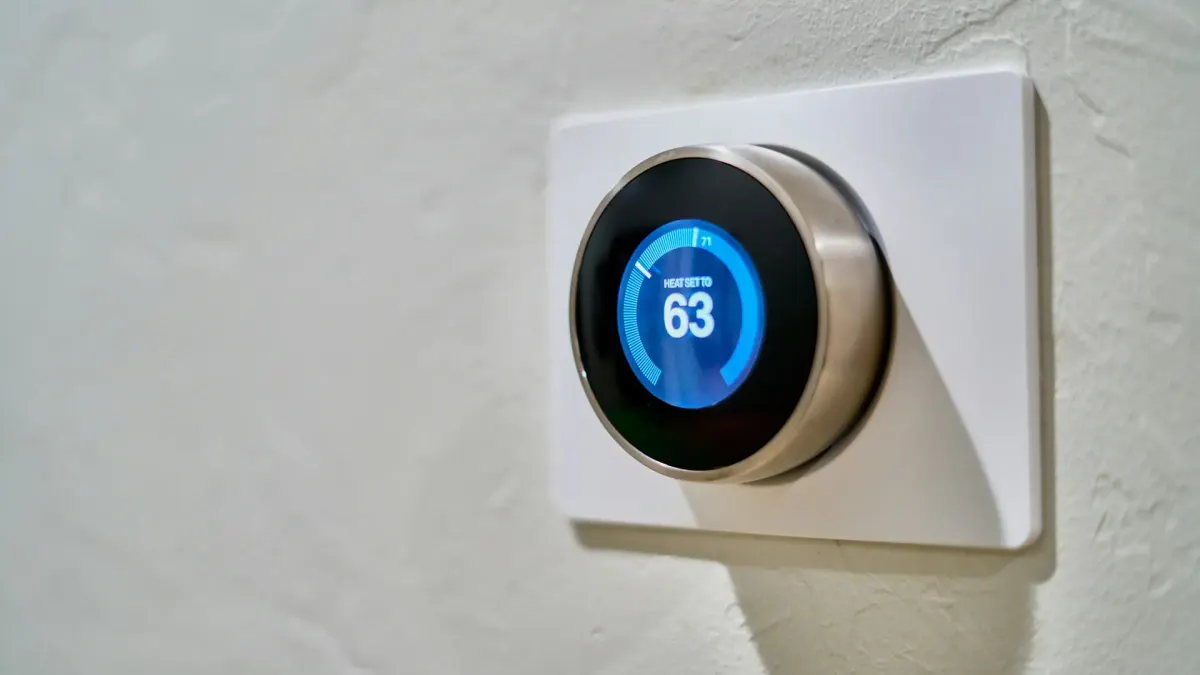
Stop Flipping Between Heat and AC on the Same Day
Switching between heat and AC on the same day will not damage a furnace. The one real risk is restarting the air conditioner within a few minutes of it shutting off. AUTO mode with a wide gap between the heating and cooling setpoints stops the flipping.
Why Your Heat Smells Like Burning the First Time You Turn It On
Furnace Won't Turn On After Summer? 7 Things to Check Before You Call
Why Smart Long Island Homeowners Book Furnace Tune-Ups in September, Not November
Smart Thermostats for Long Island Homes: Worth It or Marketing Hype?
Why Your Thermostat Might Be Lying to You (And Costing You Money Every Month)
How Much Does Heating Repair Cost in 2026 in NY?
Keeping your home warm during the winter is essential, and one regular way to do this is to handle heating repair costs. But how much does a heating repair cost
Winter HVAC Maintenance Checklist: Keep Your Long Island Home Warm and Efficient
As temperatures drop across Long Island and New York, your HVAC system works overtime to keep your home warm and comfortable. The last thing you need during the
Combi vs. Conventional Boilers: Which Is Right for Your Home?
Boiler models for new installations can be challenging to choose from. First, you must understand the differences between conventional and combi boilers to pick
No Heat in New York? Furnace, Boiler and Baseboard Problems and What to Do
When your heating machine breaks down unexpectedly, it is more than an inconvenience, it may quickly become a disaster, especially in NY’s cold. Whether dealing
10 Common Heating Problems and When You Need Heating Repair
As winter approaches, a reliable heating system becomes paramount for homeowners and renters alike. A well-functioning heating system isn’t only a luxury; it’s
When Is It Time To Replace A Furnace? 6 Telling Signs
If the furnace breaks, Replace A Furnace may be needed. Even the best furnaces need to be changed after 20 years due to natural wear and tear. In good condition