Long Island Homeowner Guides
These guides answer the planning questions Long Island homeowners ask before they spend money on heating and cooling: what jobs typically cost, how to choose a contractor, how financing works and what to do each season. They are for anyone within about 15 miles of Deer Park, in western Suffolk or eastern Nassau, who wants to make a confident decision rather than a rushed one.
Our climate shapes almost every recommendation. Hot, humid summers and cold, damp winters mean most homes run equipment hard in both seasons, and coastal air near the South Shore corrodes outdoor units faster than inland. Housing stock matters too: the post-war ranches and capes common in Deer Park, Levittown and Massapequa have very different needs from the larger colonials in Dix Hills or Huntington. We write with those homes in mind rather than giving generic national advice.
In this section you will find seasonal checklists for spring start-up and fall shutdown, explanations of what drives the price of repairs and replacements, the questions worth asking any HVAC company before you hire them, and how manufacturer warranties and maintenance plans protect you. Financing for new equipment is available through Rheem KwikComfort, with credit provided by Synchrony Bank, and we explain how that works without the sales pitch. We also cover storm preparation, surge protection and what Long Island weather does to HVAC systems over time.
For help with a decision about your own system, call K2 Cooling & Heating at (631) 414-7141, or browse the guides below by the topic that fits your situation.
Looking for help rather than reading? See our maintenance plans or request service online.
All Long Island Guides Articles (27)
Do You Need a Permit to Replace Your HVAC on Long Island? A Town-by-Town Guide
Who issues an HVAC permit on Long Island depends on whether you live in a hamlet or an incorporated village. Here's how it works in Babylon, Islip, Huntington, Smithtown, Oyster Bay and Hempstead.
Commercial Rooftop Unit (RTU) Maintenance Checklist for Long Island Businesses
Most small commercial buildings on Long Island run on rooftop units. Here's what a proper RTU maintenance visit covers in spring and fall, how often to schedule it, and the costly failures it prevents.

Emergency Replacement vs. Planned Replacement: Same System, Different Outcome
The best time to replace an HVAC system on Long Island is March through April, with September through October second. An emergency replacement costs about the same in equipment, but you lose the sizing, tier, duct work, incentive and financing decisions that make a system work well for fifteen years.
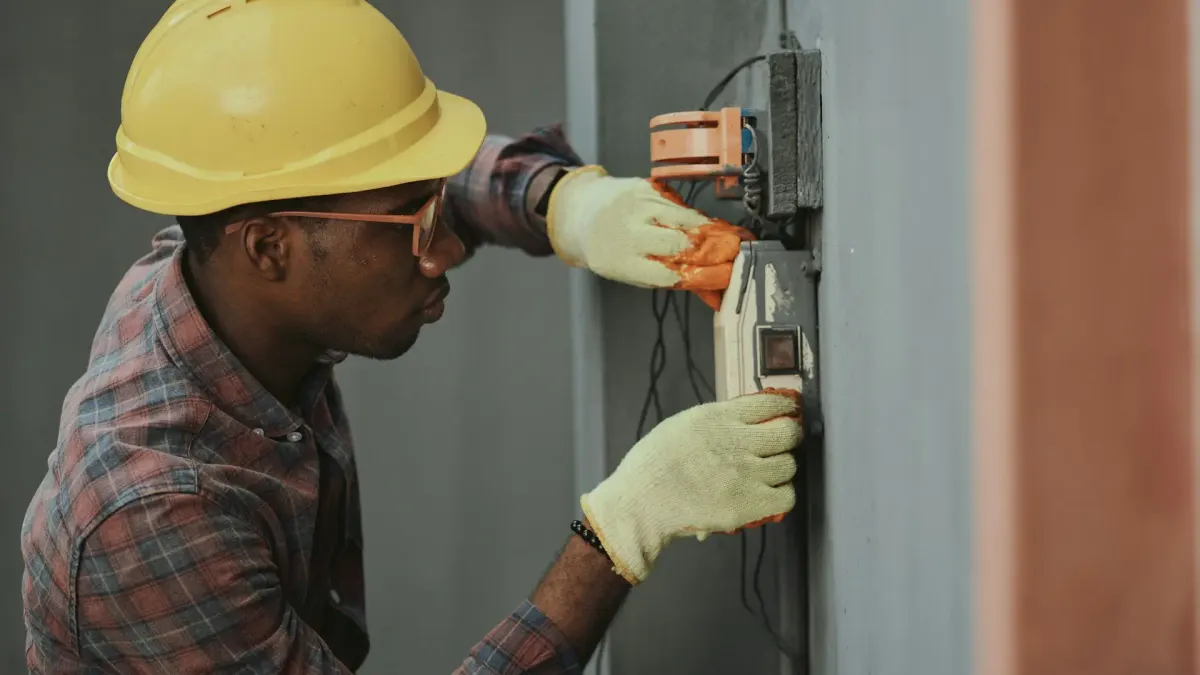
Why Your HVAC Warranty Might Already Be Void
Most HVAC warranties cover parts only, require registration within a set window, and require documented annual professional maintenance. Missing registration is the most common way coverage is lost, and you usually only find out when you file a claim.
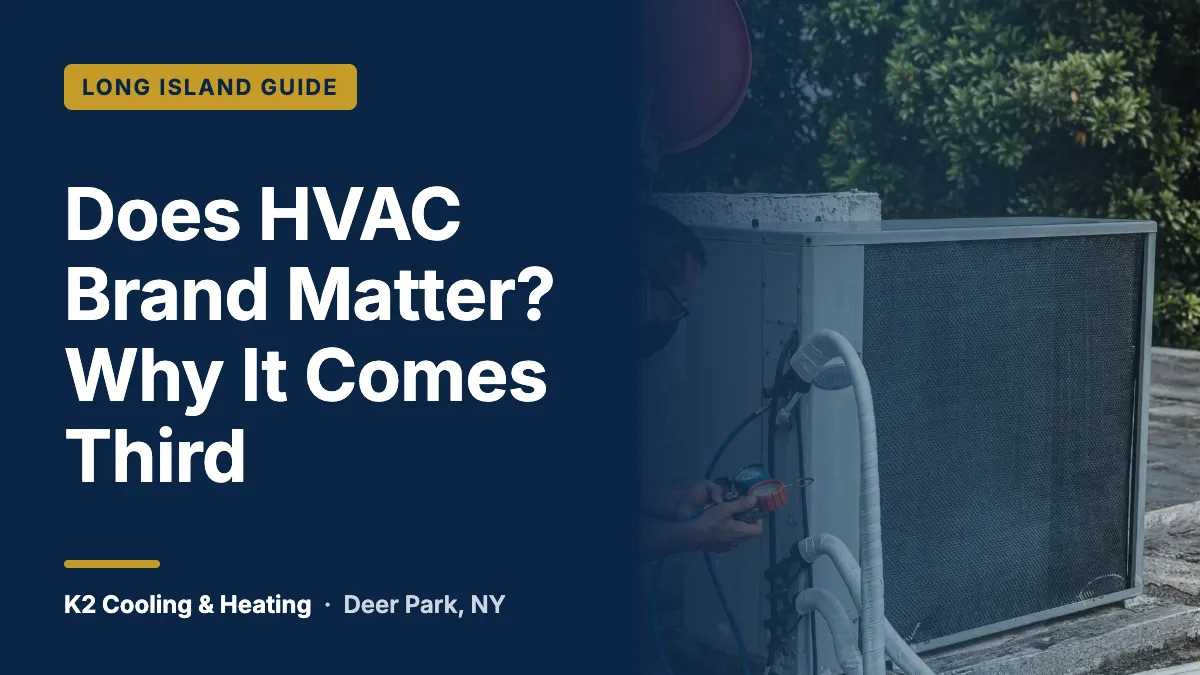
Does HVAC Brand Matter? Why It Comes Third
HVAC brand matters less than most homeowners think. Correct sizing comes first and installation quality second; brand is a genuine third, mainly for local parts availability, technician familiarity, warranty handling and the range within the line.

Why Bigger Is Not Better: The Sizing Mistake That Costs You Twice
An oversized system cools fast, feels clammy, wears out early, and costs more to buy and run. Here's how to tell if yours is too big, and what to ask before you replace it.

Can I Actually Afford This? Let's Talk Monthly.
The big number isn't the real question, the monthly is. How HVAC financing works, and the 0% trap to watch for.
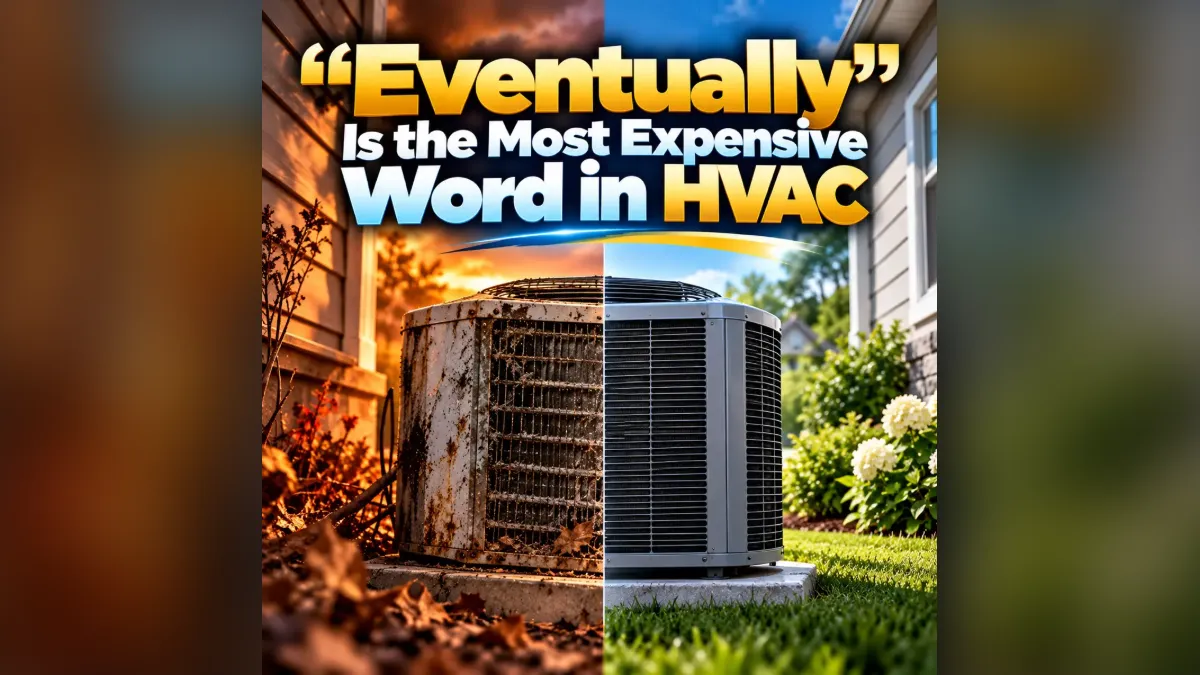
"Eventually" Is the Most Expensive Word in HVAC
Delay costs you two ways in HVAC, the fault gets worse, and the same repair costs more later. Here's what escalates fast, and what's genuinely fine to leave until spring.
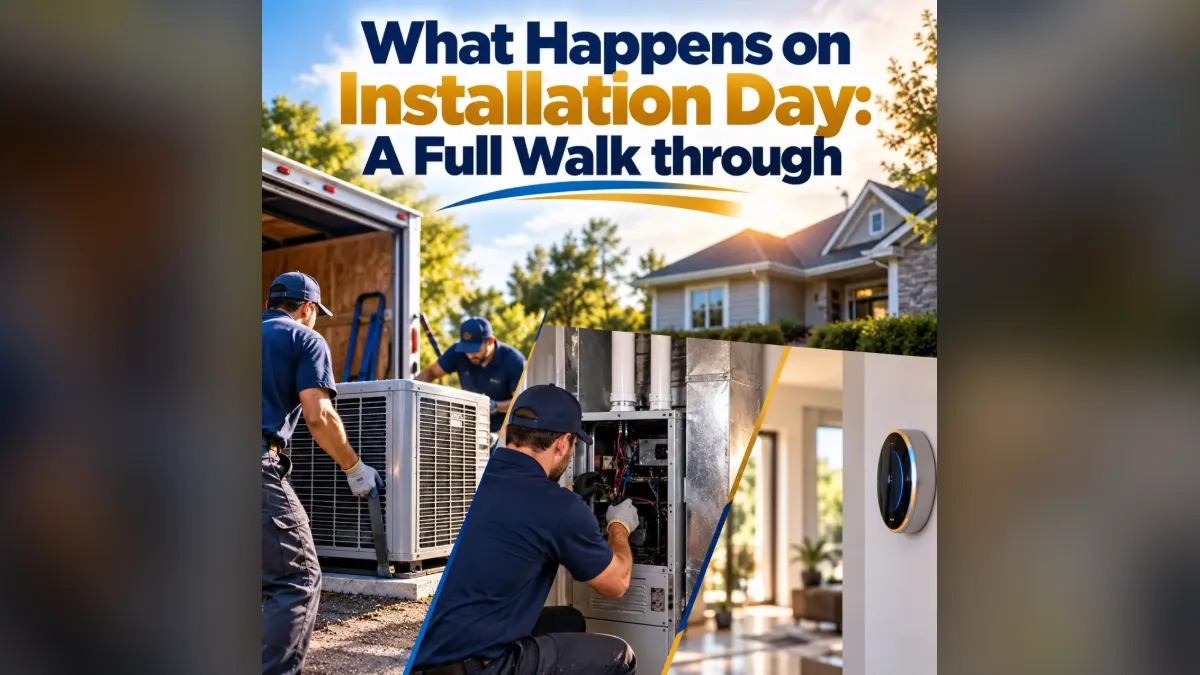
What Happens on Installation Day: A Full Walkthrough
The Hidden Problem Behind High Electric Bills
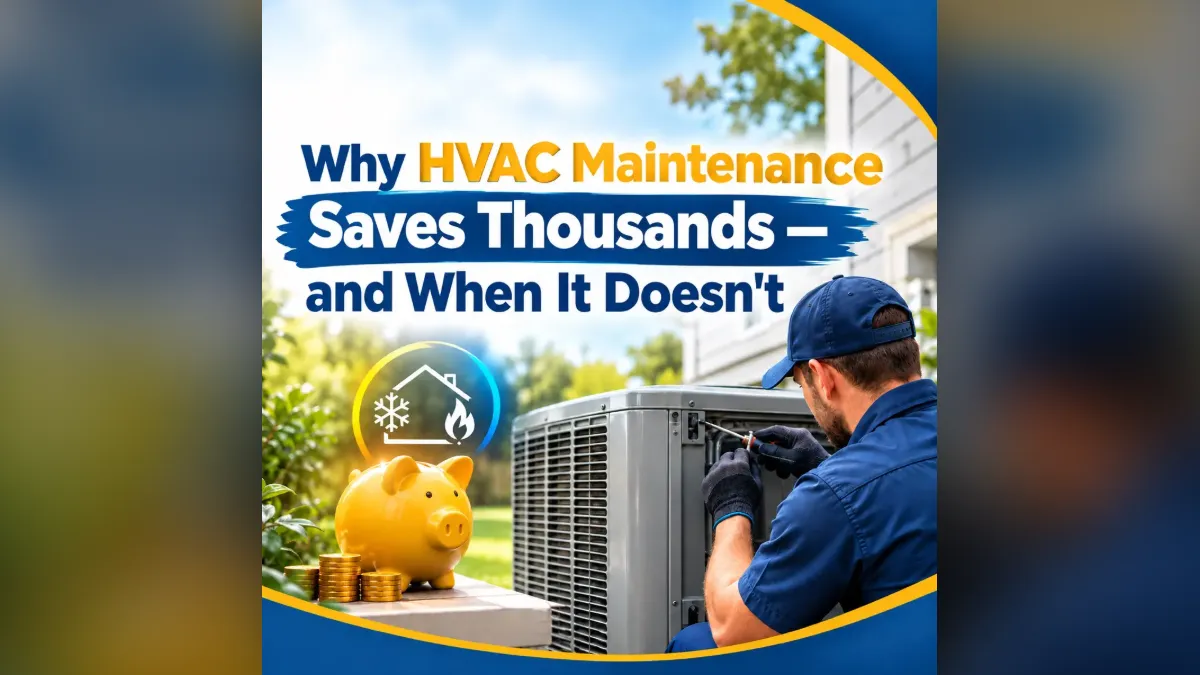
Why HVAC Maintenance Saves Thousands — and When It Doesn't
Storm Season and Your HVAC: Surge Protection, Flooded Condensers, and Generator Compatibility
Questions Every Homeowner Should Ask Before Hiring an HVAC Company
What Most HVAC Companies Don’t Explain About System Maintenance
What Coastal Air Does to HVAC Systems in Long Island Homes
Your Home Is Talking to You: HVAC Warning Signs You Shouldn't Ignore

The Hidden Reason Some Rooms Stay Hot While Others Freeze

The Comfort Gap: Why Some Homes Feel Right and Others Don’t

The Psychology of Temperature: How Climate Shapes Mood, Focus & Sleep
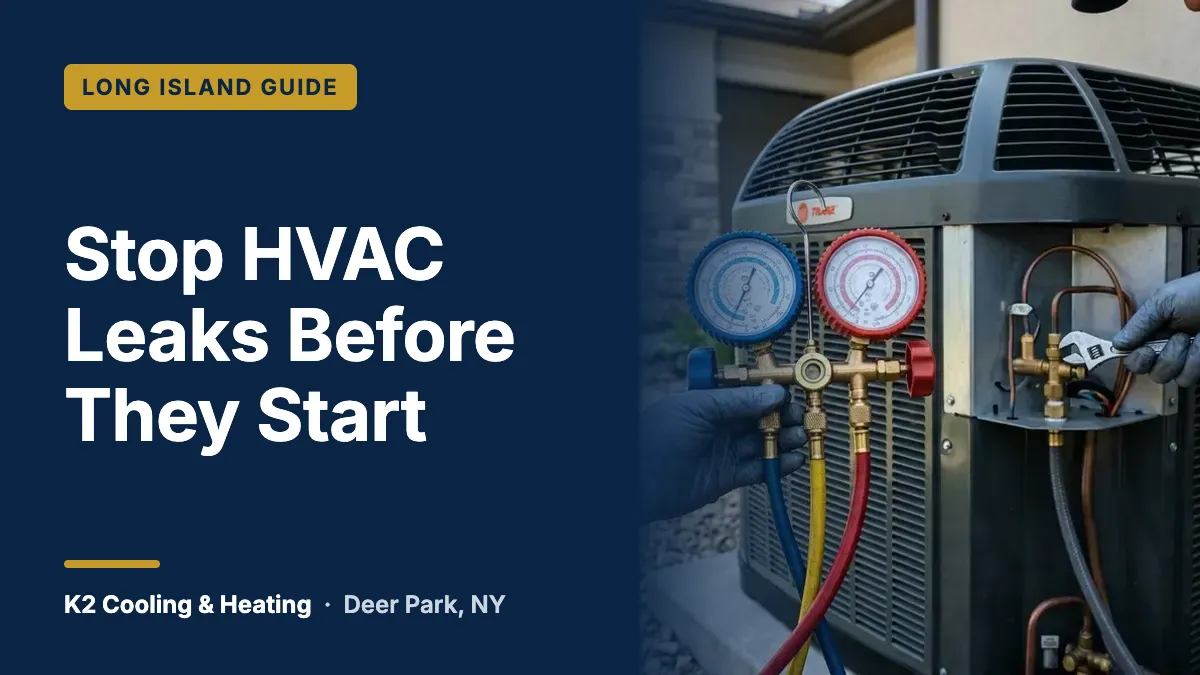
Stop HVAC Leaks Before They Start
The Importance of Preventive Maintenance A well-functioning HVAC system is essential for maintaining comfort in your home or business. However, unexpected leaks

How to Protect Your HVAC System During Snowstorms?
As the temperature drops, your HVAC system must be functional and protected. During snowstorms, the snow surrounding your heat pump or HVAC units might affect t
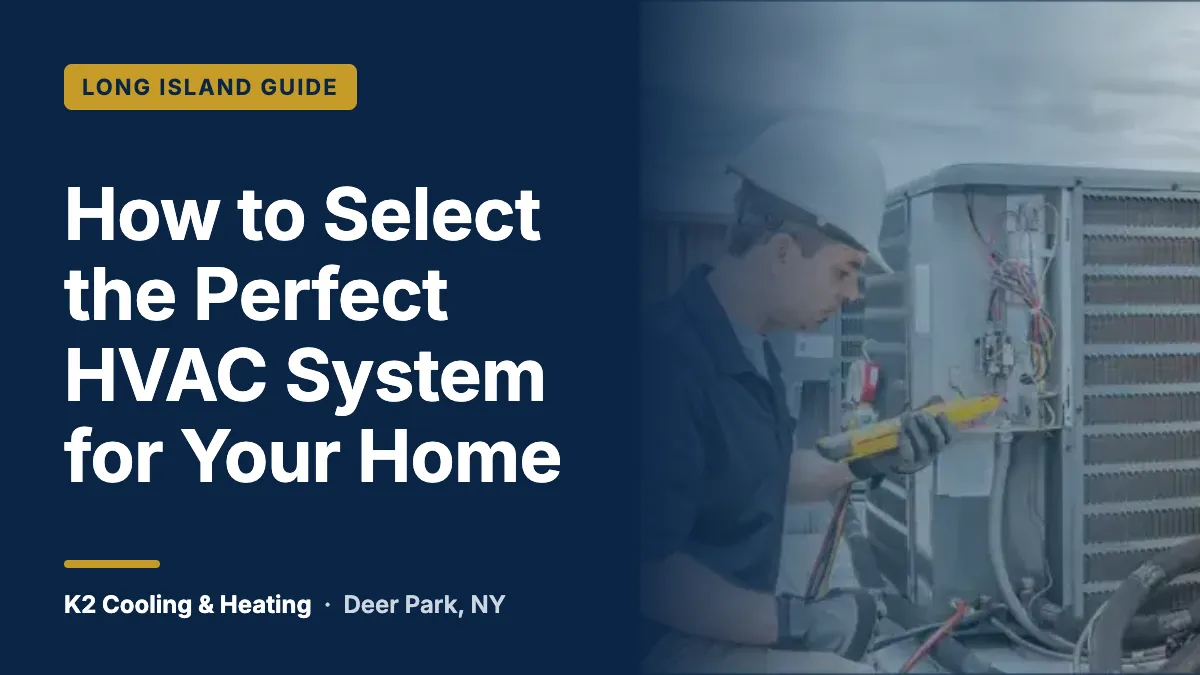
How to Select the Perfect HVAC System for Your Home
The decision to buy electric appliances is not difficult, but deciding which one to buy can be very complicated. It takes a lot of thinking and decision-making.
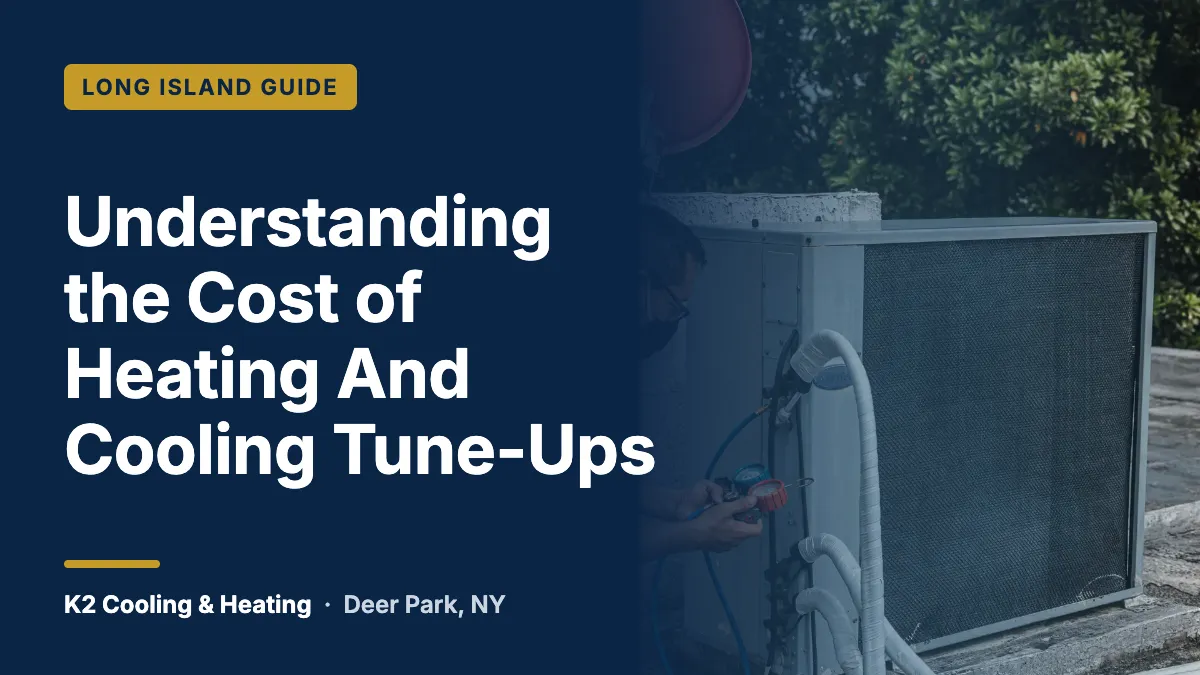
Understanding the Cost of Heating And Cooling Tune-Ups
Unless you live in a cool climate year-round, you’ve used AC. Home and commercial HVAC maintenance is essential. Plan HVAC Repair and Maintenance to save time a
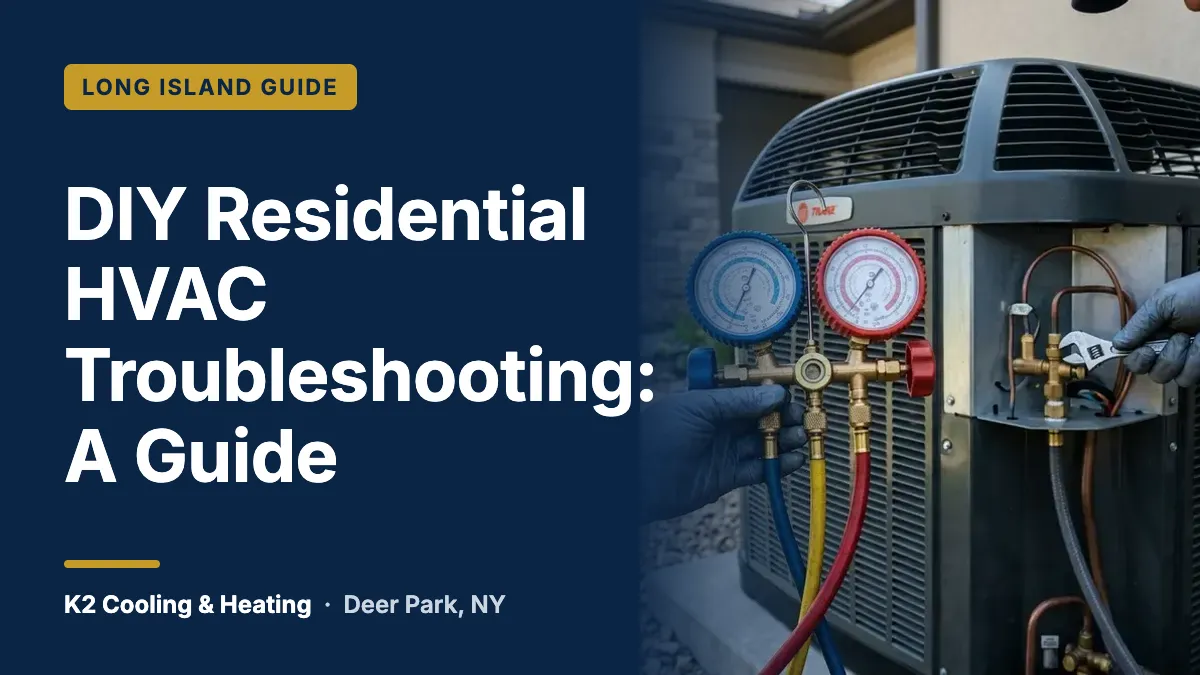
DIY Residential HVAC Troubleshooting: A Guide
Your HVAC system must function properly to make your home pleasant. However, minor flaws may impair the indoor air quality. This demonstrates residential HVAC t
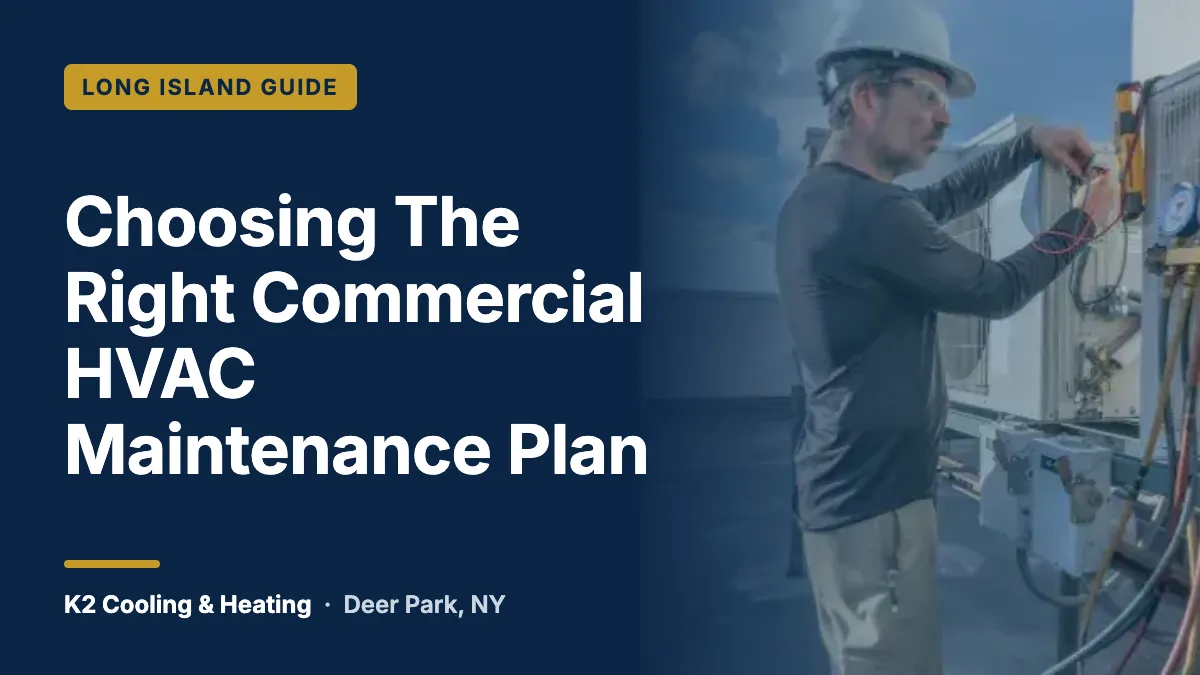
Choosing The Right Commercial HVAC Maintenance Plan
The business world today is very busy, and both customers and employees need places to work that are fun and useful. This is why businesses’ HVAC systems must b
Challenges Of Installing HVAC Ductwork In Older Homes
Entering an older home is like walking through time. However, there are some difficult obstacles to overcome when modernizing its heating and cooling systems. I
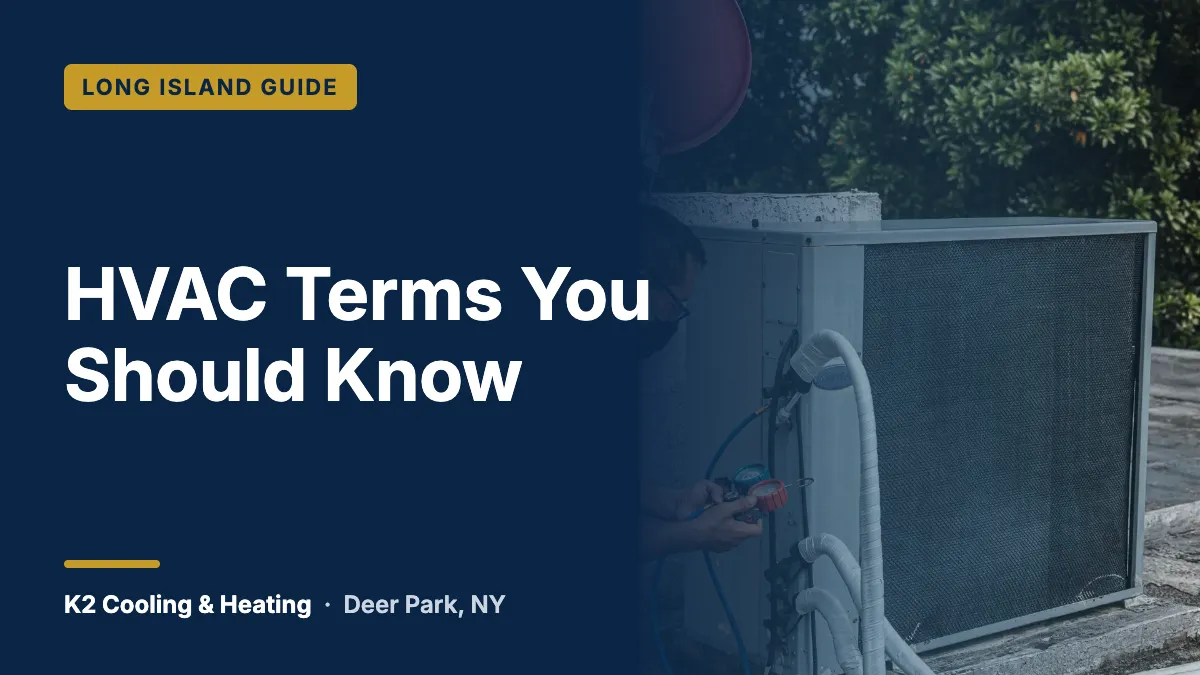
HVAC Terms You Should Know
For maintaining or upgrading your HVAC system, having a basic understanding of HVAC terms you should know that can help you make more informed deci