As temperatures drop across Long Island and New York, your HVAC system works overtime to keep your home warm and comfortable. The last thing you need during the coldest months is an unexpected breakdown or rising energy bills. Regular maintenance helps prevent these issues and keeps your system running smoothly.
At K2 Mechanical, we’ve created a helpful winter HVAC maintenance checklist to prepare your heating system for the season ahead.
Why Winter HVAC Maintenance Is Important
Your heating system is essential during the winter months. Routine maintenance offers several key benefits:
- Consistent Comfort – Avoid cold spots and maintain even heating throughout your home.
- Lower Energy Bills – An efficient system uses less energy, helping you save money.
- Fewer Repairs – Preventive maintenance helps avoid unexpected and costly breakdowns.
- Longer Lifespan – Taking care of your furnace or heat pump helps it last longer.
Winter HVAC Maintenance Checklist
Use this checklist to ensure your heating system is ready for winter:
- Replace or Clean Air Filters
Clogged filters reduce airflow, making your system work harder. Replace filters every 1–3 months to improve efficiency and indoor air quality.
- Clean and Inspect Air Vents and Ducts
Dust and debris in your vents or ducts can reduce airflow and heating efficiency. Ensure vents are open and clean, and consider professional duct cleaning if airflow seems restricted. - Check Thermostat Settings
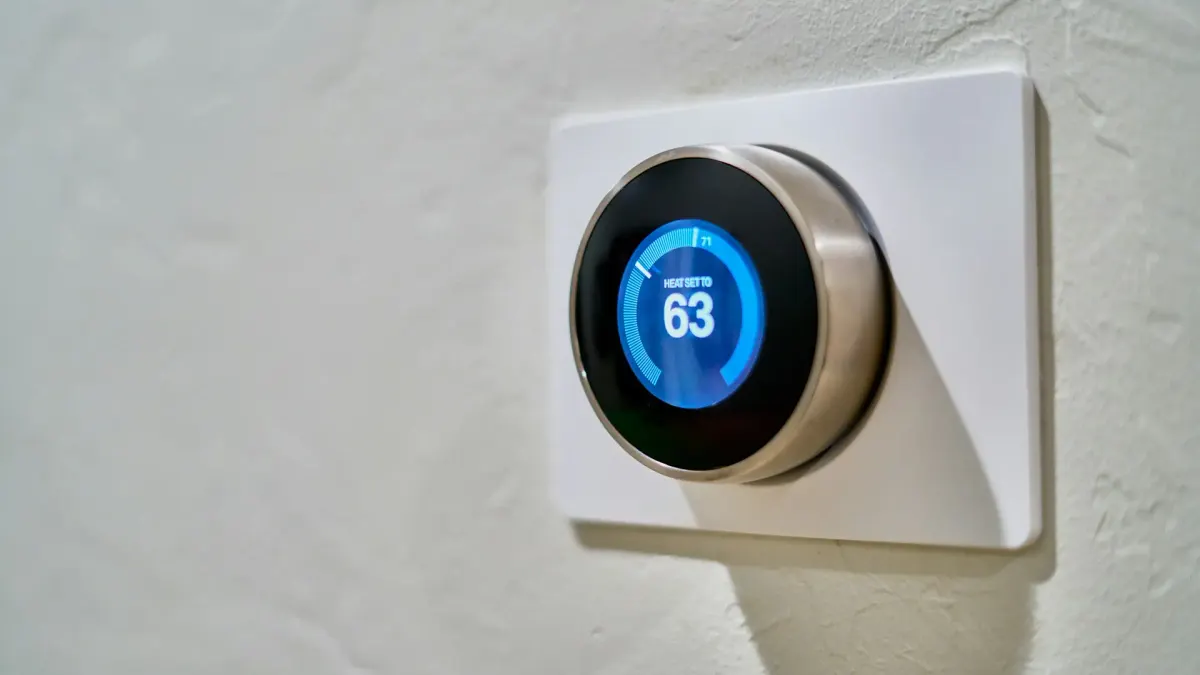
Make sure your thermostat is set to “heat” and programmed for energy savings. If you haven’t already, consider installing a smart thermostat for better control and energy management. - Test Your Furnace or Heat Pump
Turn on your heating system before freezing temperatures arrive. Listen for unusual noises, check for consistent warm airflow, and make sure it cycles on and off properly. - Inspect the Pilot Light or Ignition System
If you use a gas furnace, check that the pilot light is steady and blue. A flickering or yellow flame may indicate a ventilation issue that needs professional attention. - Seal Air Leaks Around Windows and Doors
Prevent warm air from escaping by sealing any drafts. This reduces the load on your HVAC system and keeps your home more comfortable. - Clear the Area Around the Outdoor Unit
For homes with a heat pump, remove any leaves, snow, or debris around the outdoor unit. Proper airflow is essential for efficient operation. - Schedule a Professional HVAC Tune-Up
While DIY maintenance is important, a professional tune-up ensures your system is fully optimized.
At K2 Mechanical, our licensed technicians provide comprehensive inspections, including:- Checking safety controls
- Inspecting the heat exchanger
- Lubricating moving parts
- Measuring carbon monoxide levels
- Testing system efficiency
Stay Warm with Help from K2 Mechanical
Following this HVAC maintenance checklist will help keep your home warm, safe, and energy-efficient throughout the winter. If you haven’t scheduled your seasonal tune-up yet, now is the perfect time.
👉 Contact K2 Mechanical today to schedule professional HVAC maintenance, repairs, or installations across Long Island.
No Heat? Check These Before You Call
A surprising number of no-heat calls in the first cold week turn out to be something simple. Before you schedule service, take a minute to check:
- Thermostat. Confirm it is set to heat and above the current room temperature, and replace the batteries if the screen is blank or dim.
- Breaker. Look for a tripped breaker for the furnace or boiler in your electrical panel.
- Service switch. Most furnaces and boilers have an on/off switch nearby, often at the top of the basement stairs, that looks like a light switch and gets flipped off by accident.
- Filter. A badly clogged filter can make a furnace overheat and shut itself off.
If everything checks out and the system still will not run, or it starts and then shuts down again, call for service. Do not keep resetting a furnace or boiler that locks out repeatedly.
Close the Damper and Protect Exposed Pipes
Two winter heat-loss points have nothing to do with your heating equipment, but they affect how hard it has to work.
Fireplace damper. An open damper on a cold fireplace lets warm room air escape up the chimney all night. Close it once the fire is completely out and the ashes are cold, and keep it closed when the fireplace is not in use. Glass doors on the fireplace also help.
Pipes in cold spaces. Water and heating pipes that run through crawlspaces, garages, unheated basements or exterior walls are the first to freeze in a cold snap. Insulating them, sealing nearby drafts, and keeping the heat on when you travel all lower the risk. If a hot-water heating pipe freezes, the zone it serves stops heating and the pipe can split, so call a professional rather than trying to thaw it with an open flame.
Need a technician rather than a guide? See our HVAC tune-up service, or read about HVAC repair in Deer Park, NY. K2 answers 24/7 at (631) 414-7141.