A humidifier is a useful household appliance that can improve the air quality in your home and provide relief from dry air-related health problems. However, to ensure that your humidifier works effectively and efficiently, you need to perform regular maintenance on it. Here is a Humidifier Maintenance checklist that you can follow to keep your humidifier in good working condition.
-
Clean the Humidifier Regularly
One of the most important things you can do to maintain your humidifier is to clean it regularly. You should clean your humidifier at least once a week, and more often if you use it frequently. To clean the humidifier, you should:
- Unplug the humidifier and empty any remaining water from the tank
- Remove any filters or wicks and replace them if necessary
- Fill the tank with water and add a tablespoon of white vinegar or hydrogen peroxide
- Let the solution sit in the tank for 30 minutes
- Rinse the tank thoroughly with clean water and let it dry completely before reassembling the humidifier.
-
Change the Water Daily
It is important to change the water in your humidifier every day to prevent the growth of bacteria and mold. Standing water in the tank can become a breeding ground for these organisms, which can cause health problems if they are released into the air. Empty the tank every day and refill it with fresh water to prevent these problems.
-
Use Distilled Water
Using distilled water in your humidifier can help prevent the buildup of mineral deposits and bacteria. Distilled water has been purified and contains fewer minerals and impurities than tap water. If you use tap water in your humidifier, mineral deposits can accumulate in the tank and on the humidifier’s components over time. These deposits can clog the unit and reduce its efficiency. Using distilled water can also reduce the risk of releasing harmful bacteria into the air.
-
Replace Filters and Wicks
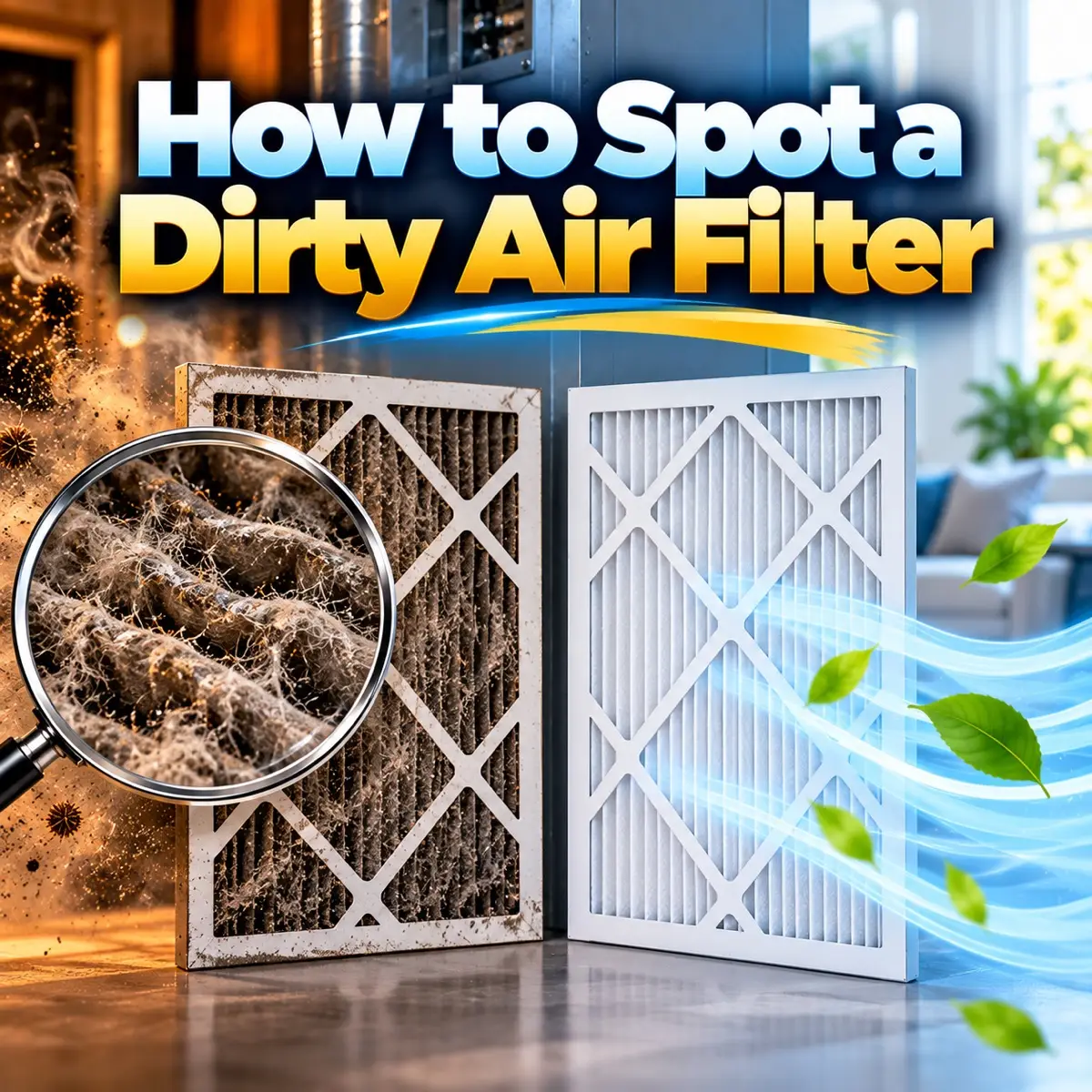
The filters and wicks in your humidifier can become dirty and clogged over time, reducing the unit’s effectiveness. Replace these components regularly, according to the manufacturer’s instructions. If you are not sure when to replace the filters or wicks, check the owner’s manual or contact the manufacturer.
-
Store the Humidifier Properly
When you are not using your humidifier, it is important to store it properly to prevent damage and the buildup of bacteria and mold. Follow these steps to store your humidifier:
- Empty the tank and clean the humidifier thoroughly
- Let the humidifier dry completely before storing it
- Store the humidifier in a dry, cool place, away from direct sunlight.
-
Check for Leaks
Occasionally, humidifiers can develop leaks, which can cause water damage to your floors or furniture. Check your humidifier regularly for leaks, especially if you notice any water on the floor around the unit. If you do find a leak, stop using the humidifier immediately and have it repaired or replaced.
-
Follow the Manufacturer’s Instructions
Finally, it is important to follow the manufacturer’s instructions for your specific humidifier model. The manufacturer may have specific recommendations for cleaning, maintenance, and replacement of components. By following the manufacturer’s instructions, you can ensure that your humidifier is functioning properly and efficiently.
Conclusion:
In conclusion, regular maintenance of your humidifier is essential to ensure that it works effectively and efficiently. By following this humidifier maintenance checklist, you can keep your unit in good working condition and prevent the buildup of harmful bacteria and mold. Remember to clean your humidifier regularly, change the water daily, use distilled water, replace filters and wicks, store the humidifier properly, check for leaks, and follow the manufacturer’s instructions.
With these steps, you can enjoy the benefits of a clean, healthy, and efficient humidifier in your home. Not only will this improve the air quality, but it can also provide relief from dry skin, allergies, and other health problems. By following these simple steps, you can ensure that your humidifier remains in good working condition and continues to provide you with these benefits for years to come.