Smart home technology is everywhere, and smart thermostats are one of the most popular upgrades homeowners are making. From promises of lower energy bills to effortless temperature control, manufacturers claim these devices can transform your home's comfort while saving money.
But are smart thermostats for Long Island homes really worth the investment, or are they just another marketing trend?
The truth lies somewhere in between. While a smart thermostat can provide impressive benefits, its value depends on your HVAC system, your home's insulation, and how you use your heating and cooling equipment.
Let's take a closer look.
What Is a Smart Thermostat?
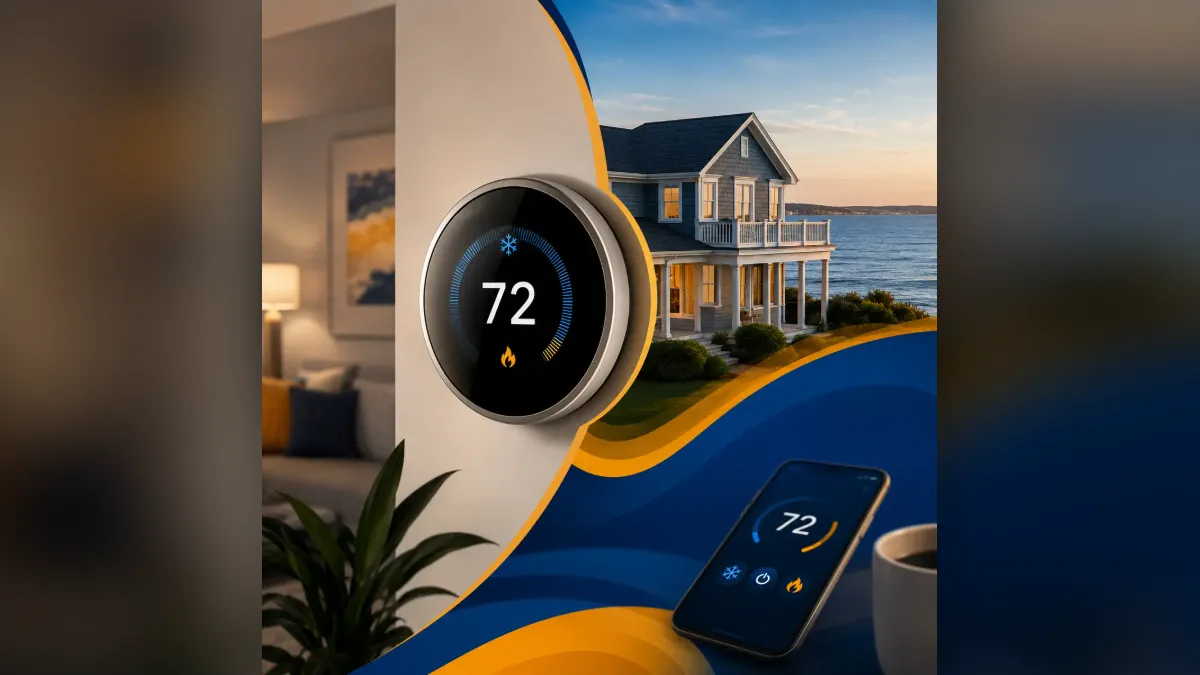
A smart thermostat is a Wi-Fi-enabled device that allows you to control your home's heating and cooling from your smartphone, tablet, or voice assistant.
Unlike traditional programmable thermostats, smart models can:
- Learn your schedule
- Adjust temperatures automatically
- Detect when you're away
- Send maintenance reminders
- Provide energy usage reports
- Integrate with smart home systems like Alexa or Google Home
Instead of manually changing settings every day, your thermostat does the work for you.
Why They're Becoming Popular on Long Island
Long Island experiences all four seasons.
Homeowners rely heavily on:
- Central air conditioning during humid summers
- Boilers and furnaces during cold winters
- Heat pumps in many newer homes
Because HVAC systems operate for much of the year, even small efficiency improvements can make a noticeable difference on annual utility costs.
Can a Smart Thermostat Really Save Money?
Yes, but only if it's used correctly.
Many homeowners leave their HVAC running while they're at work or sleeping.
A smart thermostat can automatically reduce heating or cooling when nobody is home and restore comfortable temperatures before you return.
This prevents unnecessary energy use without sacrificing comfort.
Savings vary depending on:
- Home size
- Insulation quality
- HVAC efficiency
- Daily routines
- Desired indoor temperatures
For homes with consistent schedules, the savings can add up over time.
Comfort Is Often the Biggest Benefit
Many people purchase a smart thermostat expecting huge savings.
Instead, what they appreciate most is convenience.
Imagine:
- Adjusting your home's temperature before arriving home
- Waking up to a perfectly heated house
- Cooling your home before leaving work
- Controlling everything from your phone while on vacation
Comfort and convenience are often the real reasons homeowners love smart thermostats.
Better HVAC Performance
A quality smart thermostat helps your HVAC system operate more efficiently by reducing unnecessary runtime.
Benefits include:
- More consistent indoor temperatures
- Less temperature fluctuation
- Reduced strain on equipment
- Improved humidity control
- Better system monitoring
Some models even notify you when your air filter needs changing or when your system may need professional service.
Not Every Home Will Benefit Equally
Smart thermostats aren't a magic solution.
Some homes won't see significant savings.
For example:
- Older homes with poor insulation
- Homes with oversized HVAC systems
- Systems already running inefficiently
- Incorrect thermostat placement
If your equipment already struggles to maintain temperature, replacing the thermostat alone won't solve the underlying issue.
Compatibility Matters
Before purchasing a smart thermostat, make sure it's compatible with your HVAC system.
Some Long Island homes have:
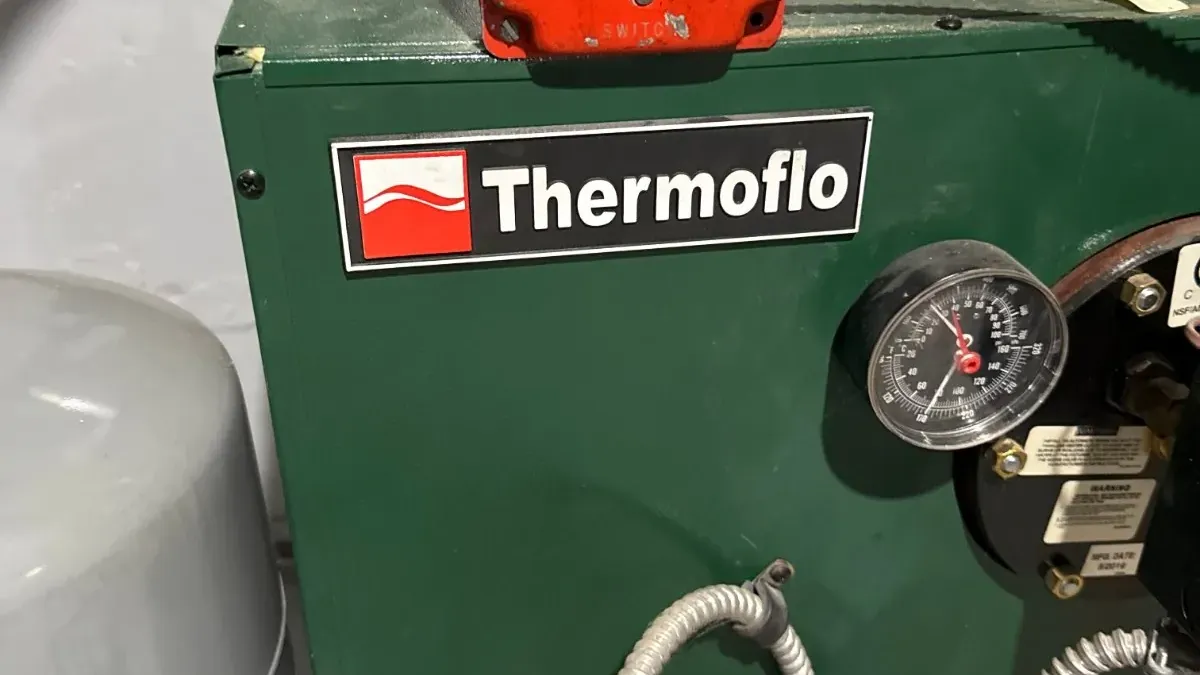
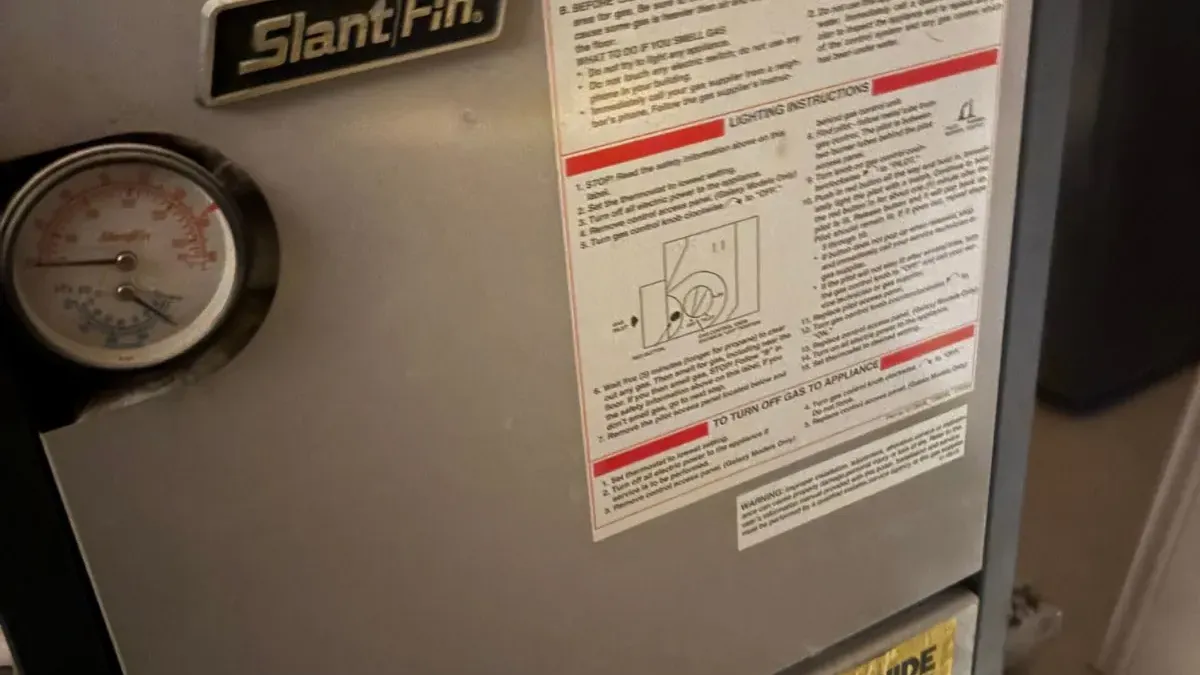
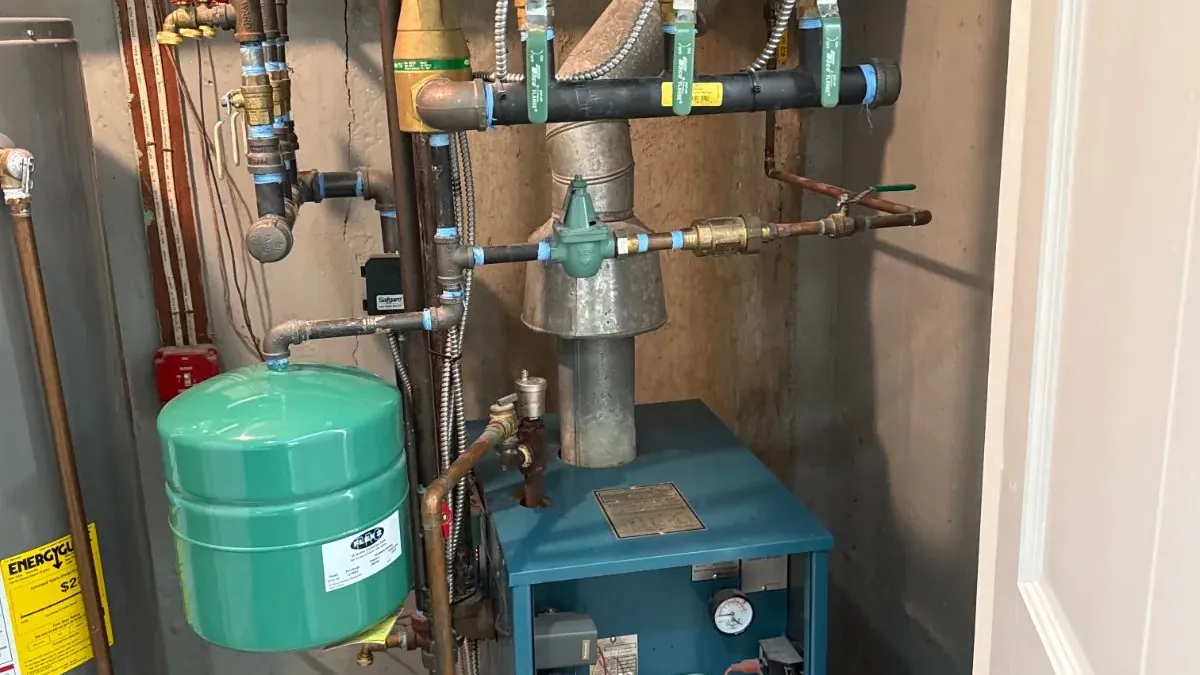
- Boilers
- Steam heat
- Hydronic heating
- Heat pumps
- Multi-stage furnaces
- Zoned HVAC systems
Installing the wrong thermostat can cause performance problems or prevent certain system features from working correctly.
Professional installation ensures everything is configured properly.
Features Worth Paying For
Not every smart thermostat offers the same value.
Look for features like:
- Remote control
- Learning schedules
- Geofencing
- Energy reports
- Vacation mode
- Humidity monitoring
- Maintenance reminders
- Smart home compatibility
These features can significantly improve your home's comfort and efficiency.
Is Installation Difficult?
Some homeowners install smart thermostats themselves.
However, professional installation is recommended if:
- Your wiring is outdated
- Your system uses multiple stages
- You have a heat pump
- You have zoning controls
- You are replacing an older thermostat
Proper setup ensures your HVAC system operates safely and efficiently.
Is It Worth the Investment?
For many Long Island homeowners, the answer is yes.
A smart thermostat offers:
✔ Greater convenience
✔ Better comfort
✔ Improved energy management
✔ Potential utility savings
✔ Better control while away from home
However, it works best when paired with a well-maintained HVAC system.
If your air conditioner or heating equipment has existing issues, those should be addressed first.
Think of a smart thermostat as an upgrade that enhances an already healthy HVAC system, not a fix for equipment problems.
Final Thoughts
So, are smart thermostats for Long Island homes worth it?
For most households, absolutely.
While they may not slash your energy bills overnight, they provide greater control, increased comfort, and smarter energy management throughout the year.
Before purchasing one, ensure it's compatible with your HVAC system and consider having it professionally installed. Combined with regular HVAC maintenance, a smart thermostat can be a worthwhile investment that pays off in convenience, efficiency, and long-term system performance.
Room Sensors: When One Thermostat Is Reading the Wrong Room
A thermostat only knows the temperature of the wall it hangs on. In many Long Island colonials and split-levels that wall is in a first-floor hallway, so the system shuts off once the downstairs is comfortable while the upstairs bedrooms are still warm.
Many smart thermostats can pair with small wireless room sensors. Depending on the model, you can tell the thermostat to follow one sensor at certain times of day (the bedrooms overnight, for example) or to average several rooms.
- Good fit: a home where one or two rooms are always a few degrees off from where the thermostat sits.
- Limits: a sensor changes which room the system listens to. It does not send more air to that room. If the upstairs is short on airflow, the ductwork or a zoning system is the real fix.
Sensors are an inexpensive way to improve comfort with the equipment you already have, as long as you treat them as better information rather than more capacity.
If You Install It Yourself
On a simple single-stage furnace and central air system, swapping a thermostat is a manageable project. A few habits prevent most of the problems we get called about afterward:
- Kill the power at the breaker for the heating and cooling equipment, not just the thermostat, and confirm it is off with a voltage tester.
- Photograph the old wiring before you disconnect anything, and label each wire with the letter of the terminal it came from. Wire color is not a reliable guide in older homes.
- Check for a common (C) wire. Many smart thermostats need constant low-voltage power. If there is no C wire, read the manufacturer's instructions before improvising.
- Mount the base level and press on the frame, not the screen, when you snap the display on.
- Run a full test in both heating and cooling before you rely on it.
If you see thick line-voltage wires, a boiler with zone controls, or a heat pump, stop there and have it installed professionally.
Changing seasons? Our guide to switching between heat and AC covers the settings and what to check first.
Closer to home, we handle heating repair in Levittown.
Need a technician rather than a guide? See our heating repair service, or read about HVAC repair in Deer Park, NY. K2 answers 24/7 at (631) 414-7141.