Most heat pump thermostats have a setting labeled Emergency Heat, EM Heat or E-Heat, and many homeowners aren't sure when, or whether, to use it. It is a useful switch in the right situation and an expensive one in the wrong one. Here's what it does, how it differs from auxiliary heat, and what we've seen when it's left on by mistake.
What does emergency heat mean?
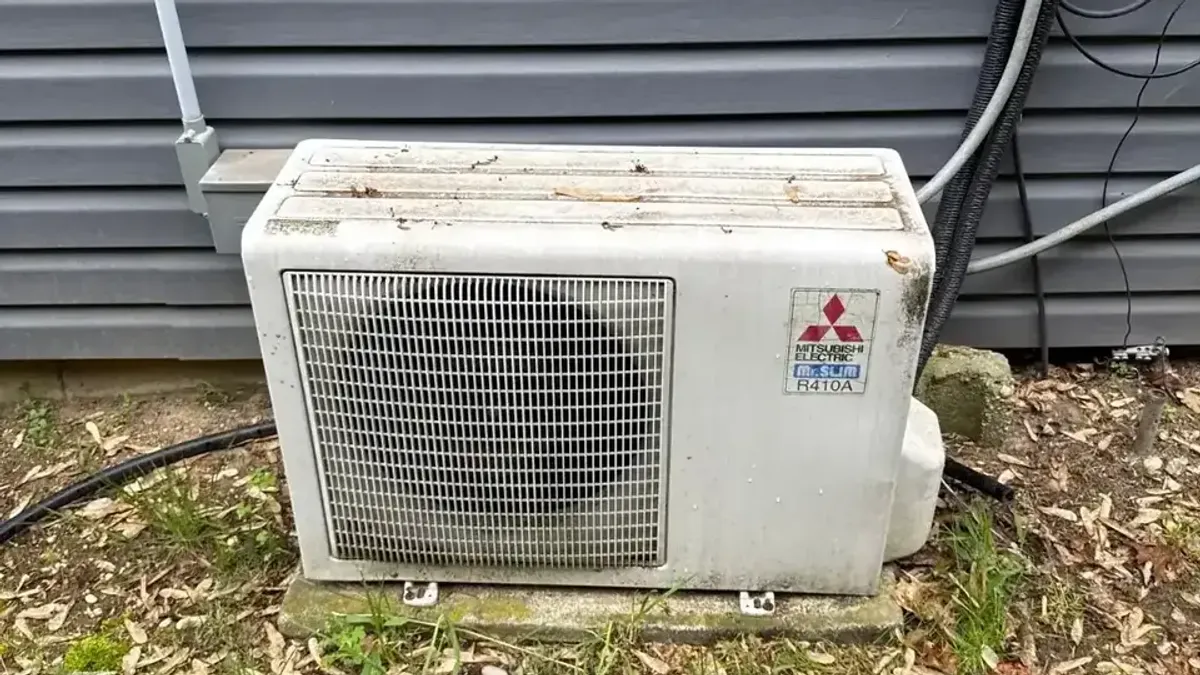
Emergency heat turns the heat pump's outdoor unit off and heats the house with the backup heat source only, usually electric heat strips in the air handler. It exists for when the heat pump has failed or is damaged, so the house still gets heat until a technician can repair the outdoor unit.
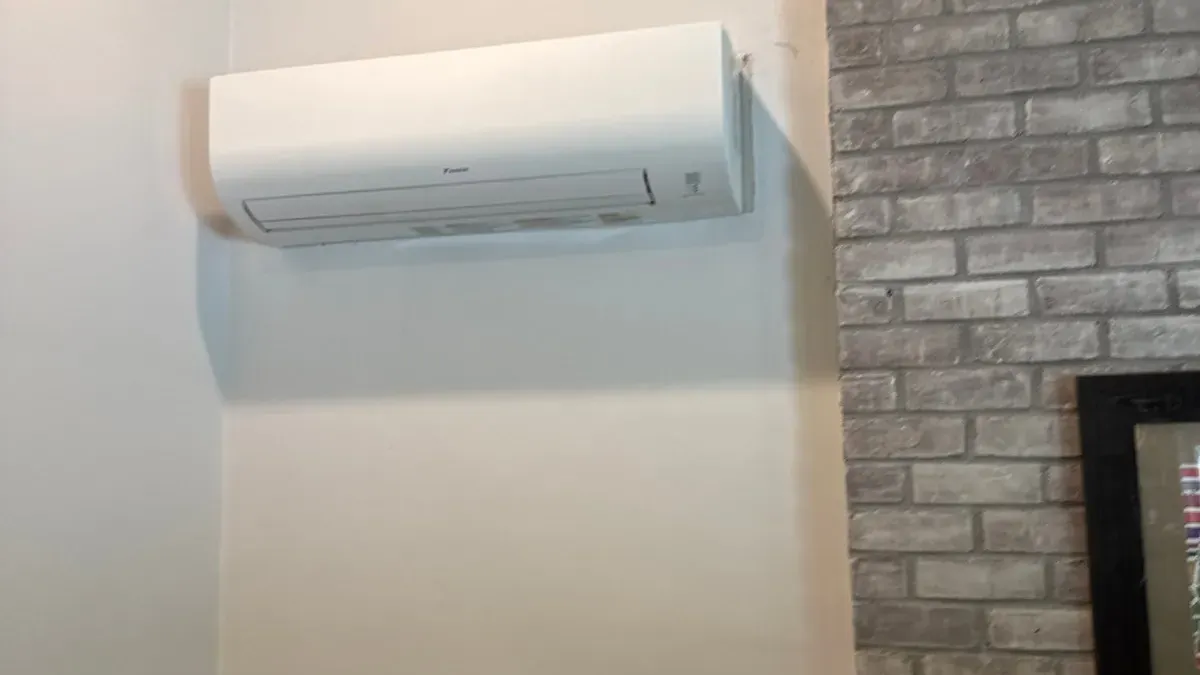
In a dual-fuel home, the backup may be a gas furnace instead of electric strips, and emergency heat runs the furnace alone. Either way, the setting takes the heat pump out of the picture until you switch it back.
How is emergency heat different from auxiliary heat?
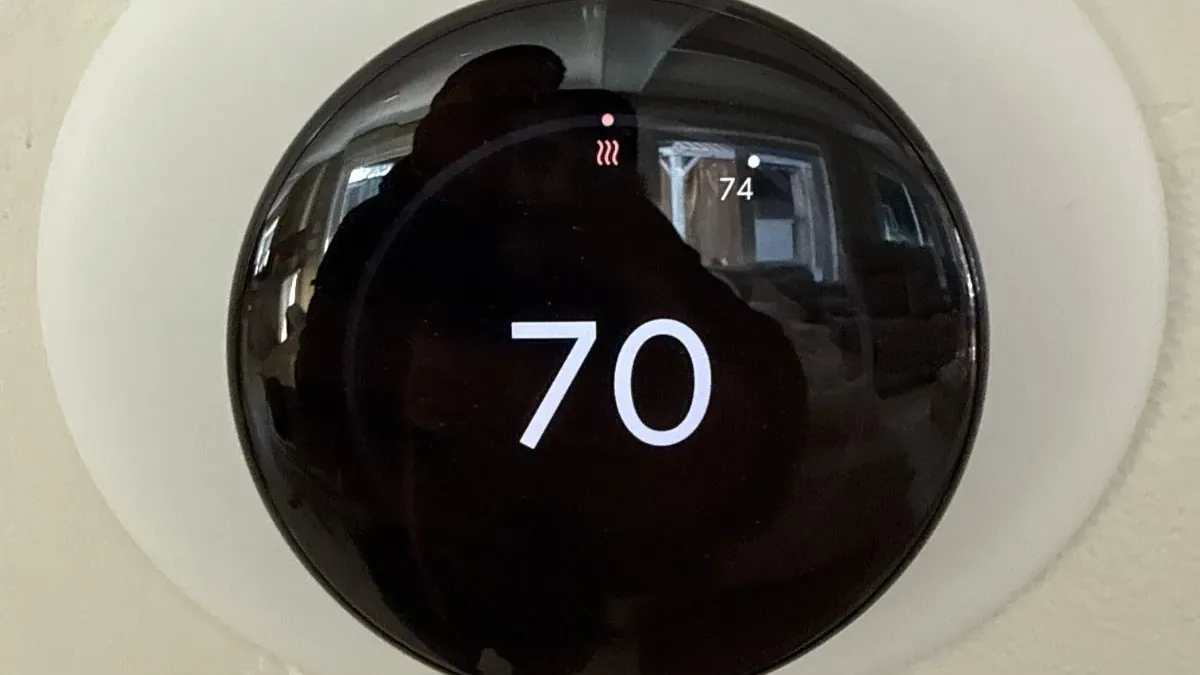
Auxiliary heat comes on automatically, alongside the heat pump, when the heat pump needs help: during a defrost cycle, on a very cold night, or when you raise the setpoint a lot. Emergency heat is a manual setting you choose, and it shuts the heat pump off entirely. AUX is normal now and then; EM should be rare.
If your thermostat shows AUX all the time without you choosing it, the heat pump may have stopped working; our post on a heat pump blowing cold air covers that case, including a Deer Park heat pump that was running on auxiliary heat alone because its compressor had failed.
When should you use emergency heat?
Use it when the outdoor unit has clearly failed or been damaged, such as a fallen branch, a unit encased in ice after an ice storm that defrost can't clear, a tripped outdoor breaker that keeps tripping, or a technician telling you to. Then call for service rather than running on emergency heat for days.
Don't use it just because it's cold out. Modern cold-climate heat pumps keep heating well below freezing, and the system brings on auxiliary heat by itself when needed. Switching to emergency heat on every cold night turns off the efficient part of the system.
Why does emergency heat raise the electric bill?
Electric heat strips make heat directly from electricity, while a heat pump moves heat from outdoor air and delivers several times more heat for the same electricity. Running on strips alone can use far more electricity for the same comfort, so a week on emergency heat often shows up on the next PSEG Long Island bill.
Heat strips are sized for backup, not for carrying the house every day. In April 2026, a Dix Hills heat pump we installed in an attic got a 15 kW heat strip for backup heat, the kind of capacity that is meant to cover the coldest nights and failures, not routine heating.
What happens if emergency heat is left on by mistake?
The heat pump stays off, the house heats only with the backup, and the outdoor unit looks broken because it never runs. Homeowners often call thinking the heat pump died. The fix is to switch the thermostat back to normal heat, and the system resumes as usual.
From our service records: In February 2021 in St. James, a homeowner called because the heat pump condenser wasn't running. Our technician found the thermostat set to emergency heat, switched it back to the normal first-stage heat setting, and ran the system; it worked fine, and there was no charge for that visit.
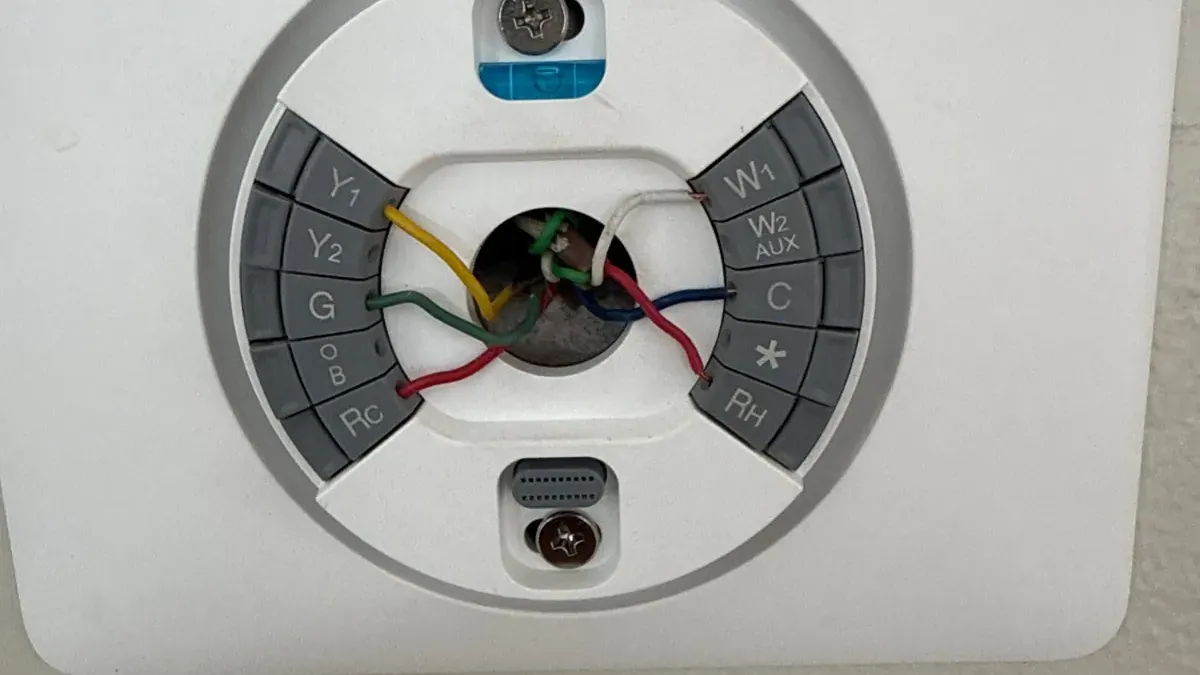
If you have a smart thermostat, check its mode and its heat pump settings in the app. A thermostat that isn't set up as a heat pump, or has the wrong backup settings, can cause the same symptoms; our thermostat installation page covers setup.
When should you call a technician?
Call when you've had to switch to emergency heat because the outdoor unit failed, when AUX or EM comes on by itself and won't go off, when the outdoor unit doesn't run in heat mode, or when your electric bill jumps without explanation. Those point to a failed compressor, board, contactor or sensor.
We repair heat pumps within 15 miles of Deer Park; see heat pump repair and dual-fuel heat pumps, or call (631) 414-7141. For how setbacks interact with backup heat, read turning the heat down at night.
Need a technician rather than a guide? See our heat pump service, or read about HVAC repair in Deer Park, NY. K2 answers 24/7 at (631) 414-7141.