It's one of the oldest heating questions: does turning the heat down at night save money, or does the system just burn it all back warming the house up in the morning? For most Long Island homes the answer is that it saves, but how you do it depends on what heats your house. A gas furnace, an oil boiler with baseboard and a heat pump each respond differently. Here's what the U.S. Department of Energy says and how it plays out with each system.
Does turning the heat down at night save money?
Yes, for most systems. The U.S. Department of Energy says you can save as much as 10% a year on heating and cooling by turning your thermostat back 7 to 10 degrees for 8 hours a day from its normal setting. Sleeping hours are the easiest time to do it.
The savings come from heat loss. A house loses heat faster the bigger the difference between inside and outside. While the house sits cooler, it loses heat more slowly, so less fuel goes into replacing it. The DOE's thermostat guidance addresses the old myth directly: the furnace doesn't use more energy warming the house back up than it saved during the setback.
Does a setback work with a gas or oil furnace?
A furnace is the best fit for a setback. It heats air quickly, so the house recovers within a short time when the thermostat goes back up. Setting the temperature down at bedtime and back up shortly before you wake gives the full savings with little loss of comfort.
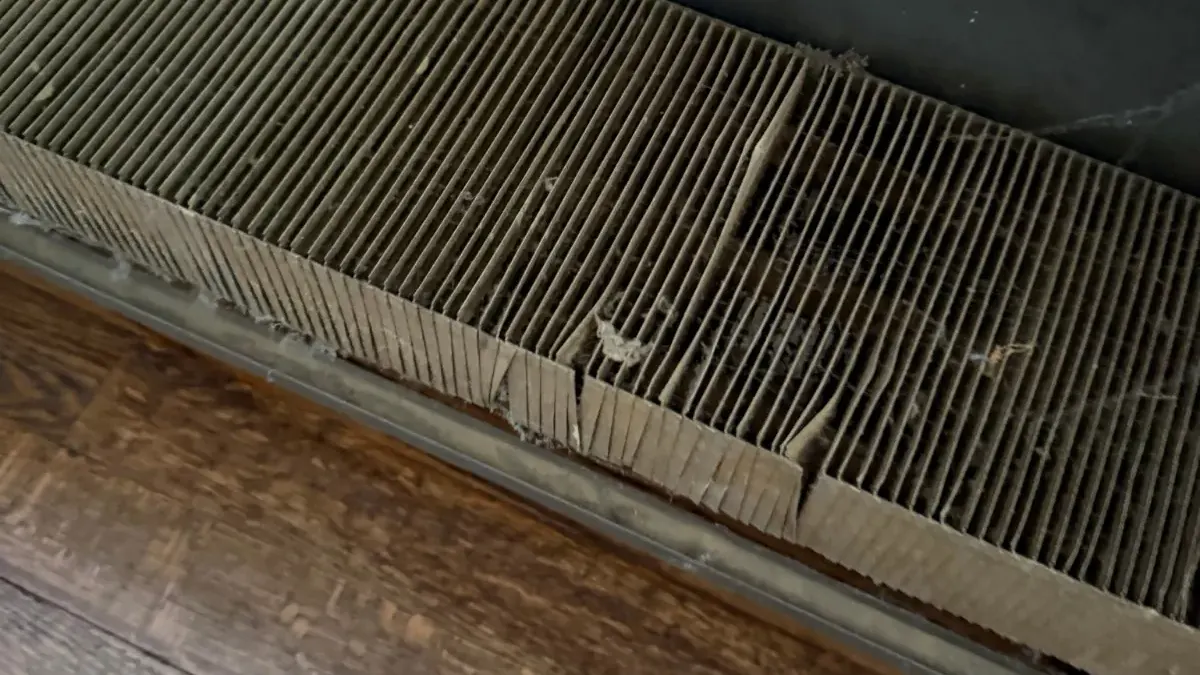
A programmable or smart thermostat makes this automatic, and many learn how long your house takes to recover so it's warm by the time you get up. If your furnace has trouble recovering from a setback, take that as a sign worth checking: a dirty filter, a weak blower or ductwork problems can all slow it down.
What about a boiler with baseboard or radiators?
Hot-water and steam systems work with setbacks too, but they respond more slowly. The boiler has to heat a large volume of water before the rooms warm up, so recovery takes longer than with a furnace. Starting the morning warm-up earlier and using a smaller setback keeps the house comfortable.
Radiant floor heat is the slowest of all, since the floor itself holds the heat, and a deep nightly setback may never fully recover by morning. For any boiler system during a hard freeze, keep every zone running at least part of the time so water moves through pipes on outside walls. Our post on keeping heating pipes from freezing covers that in detail.
Why are heat pumps different?
Many heat pumps have backup electric heat strips that switch on when the house needs to warm up fast. A deep setback can trigger those strips every morning, and electric resistance heat costs far more to run than the heat pump. That can erase the savings, which is why the DOE generally doesn't recommend standard programmable thermostats for heat pumps.
The fix is a gentle approach: a setback of only a couple of degrees, or a thermostat designed for heat pumps that brings the temperature up slowly without calling for backup heat. Ductless mini-splits usually have no strips and run most efficiently at a steady setting. Our guide on how a mini-split heats explains why, and our post on whether heat pumps work in a Long Island winter covers cold-weather performance.
How far should you turn it down?
With a furnace or boiler, 7 to 10 degrees for 8 hours is the range the Department of Energy cites. Many people set 68 while awake and 60 to 62 overnight. With a heat pump, stay within a couple of degrees unless your thermostat is built to manage heat pump recovery.
Comfort matters as much as savings. Older adults, infants and anyone with health concerns may need a warmer night setting, and a house that takes hours to recover isn't worth a cold morning. Don't drop below 55°F during a cold snap, especially in homes with pipes on outside walls or in crawlspaces.
Is a smart thermostat worth it for setbacks?
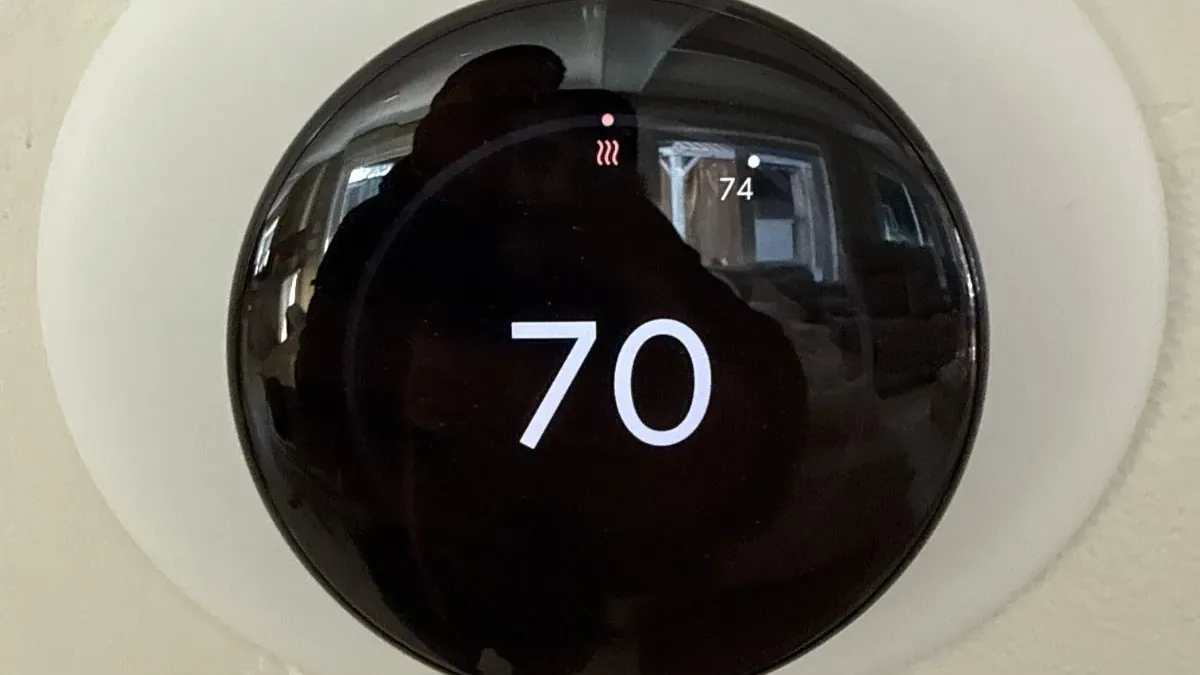
A programmable or smart thermostat is worth it if you'll otherwise forget to adjust the heat. It handles the nightly setback and morning recovery automatically, and smart models can adjust when nobody is home. The thermostat must match your system, especially a heat pump with backup heat or a multi-stage furnace.
Wiring is where installs go wrong. Many smart thermostats need a common wire for power, and heat pumps need the right reversing valve and auxiliary heat settings. In one Dix Hills visit, the heating checked out fine but the thermostat wasn't working properly, so we installed the Nest the homeowner supplied. Our thermostat installation page covers what we do, or call (631) 414-7141.
Need a technician rather than a guide? See our heat pump service, or read about HVAC repair in Deer Park, NY. K2 answers 24/7 at (631) 414-7141.