Updated October 2026 · By the K2 Cooling & Heating team, Deer Park, NY · Serving Suffolk and Nassau County
When the thermometer on Long Island drops into the teens, our phones get two kinds of calls. One homeowner says the heat pump outside looks like a block of ice. The next one turns on the kitchen tap and gets nothing. Both problems hit on the same cold nights, and what you do in the first ten minutes matters for each. Here's how to tell them apart and what to do before help arrives.
Why is 20°F the danger line for Long Island homes?
At around 20°F outside, water lines in unheated spaces start to freeze, and heat pumps run longer, more frequent defrost cycles. Pipes along exterior walls, in crawl spaces, garages and attics go first. Long Island's damp coastal cold and wind off the Sound and the bays make both problems show up faster than the number alone suggests.
We see it most in older capes, split-levels and high ranches across Suffolk and Nassau, where a kitchen sink sits on an outside wall or a bathroom is built over an unheated garage. Homes that sit empty during a January trip are at the top of the list.
Is my heat pump frozen, or is it just defrosting?
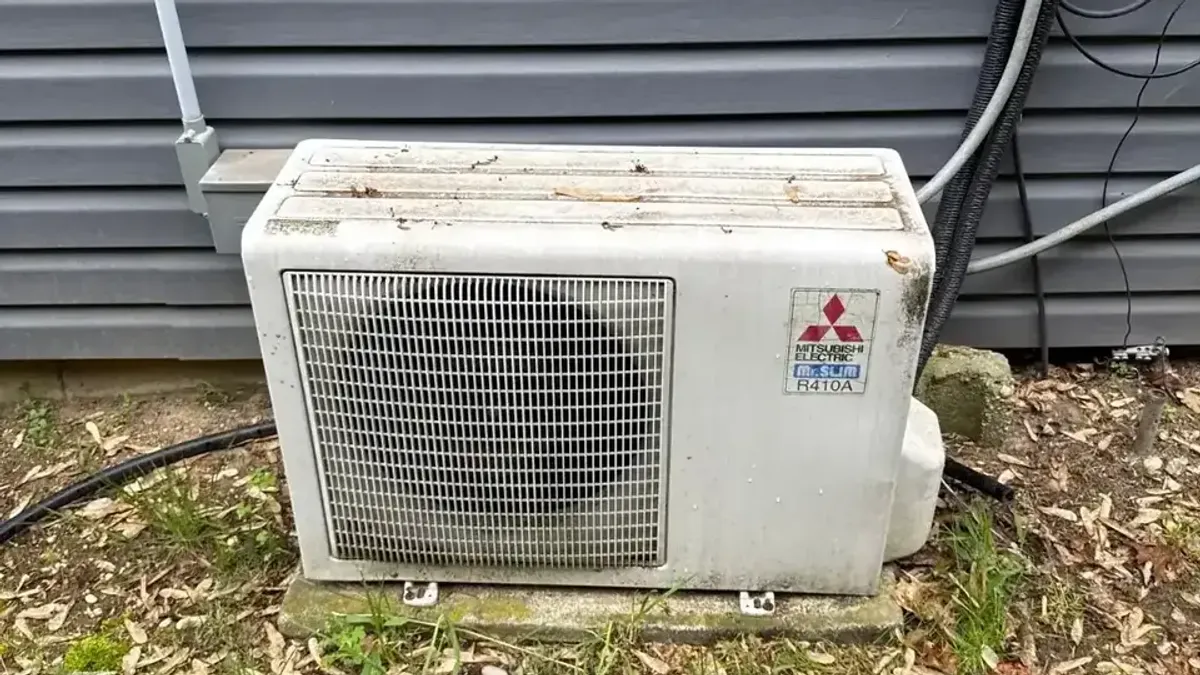
If you see steam or a light white frost that clears within about 15 minutes, that's a normal defrost cycle. If the coil, top or fan is wrapped in solid ice for hours, or the fan won't spin, the unit is frozen and needs attention. Heat pumps are built to frost up a little. They're not built to turn into an ice sculpture.
| What you see | Normal defrost | Frozen, needs attention |
|---|---|---|
| Steam rising from the unit | Yes, for a few minutes | No steam, just ice |
| Frost on the coil | Thin, clears on its own | Thick ice that stays for hours |
| Outdoor fan | Stops briefly, then restarts | Blocked by ice or won't turn |
| Ice on top of the unit | None | Sheets or icicles from above |
| Air from indoor vents | Warm again within minutes | Cool for a long stretch |
What should I do if my heat pump is covered in ice?
Don't chip at the ice. Clear the snow around the unit, look for water dripping on it from above, and switch to emergency heat if the ice doesn't clear in a few hours. Then call a technician. The coil fins and refrigerant lines under that ice are thin metal, and one slip with a shovel or screwdriver turns a service call into a much bigger repair.
- Hands and tools off the coil. No ice picks, screwdrivers or shovels on the unit.
- Look straight up. A leaking gutter or roof valley dripping onto the unit is the most common cause we find on Long Island.
- Clear the base and sides. Keep 18 to 24 inches of open space around the unit so it can breathe and drain.
- Check your indoor filter. A clogged filter makes the whole system work harder in heating mode.
- Use Emergency Heat as a bridge. If the ice is still there after a few hours, set the thermostat to Emergency (or Aux) Heat to keep the house warm, and call us. It uses more electricity, so treat it as a short-term fix.
On frozen heat pump calls across Suffolk County, the cause usually comes down to one of three things: water dripping from above, a defrost sensor or control board that has stopped doing its job, or a refrigerant problem. Only the first one is something you can fix yourself.
How do I know if a pipe is frozen?
A faucet that gives a trickle or nothing at all on a cold morning is the classic sign. You may also see frost on an exposed pipe, a bulge in the line, or hear gurgling from drains. Move quickly, because pipes often split when the ice starts to thaw and pressure builds behind it.
What should I do first if a pipe freezes?
Leave the faucet open, find your main water shutoff, and warm the pipe slowly with a hair dryer or heating pad. Never use a torch or open flame. If the pipe has already burst, shut off the main water right away and call a licensed plumber.
- Open the faucet the frozen line feeds so water can flow once it melts.
- Know where your main shutoff is. On most Long Island homes it's in the basement or utility room near where the line enters the house.
- Warm the pipe starting at the faucet end and work back toward the frozen spot.
- Keep space heaters a safe distance from walls, curtains and anything that can burn.
K2 is a heating and cooling company, so we handle the heat side of the problem. If a pipe froze because your furnace, boiler or heat pump stopped working, call us right after you've shut off the water. Getting the heat back on is what keeps the next pipe from freezing.
Can baseboard heating pipes freeze on Long Island?
Yes. Hot-water baseboard loops can freeze when the boiler shuts down on a cold night, especially runs along outside walls or through a garage or crawl space. A frozen zone means no heat in those rooms and a real chance of a split pipe. If one zone stays cold while the boiler is running, call a technician right away.
A lot of Long Island homes still heat with an oil or gas boiler and baseboard. If yours has been acting up, a boiler that quits at 2 a.m. in January is the worst-case version of this whole article. A fall tune-up is the best protection against it.
How do I protect my pipes and heat pump before a deep freeze?
Keep the thermostat at 55°F or higher, even when you're away, and keep water and snow off your outdoor unit. Those two habits prevent most of the frozen calls we see every winter.
- Open cabinet doors under sinks on outside walls so warm air reaches the pipes.
- Let a faucet on an outside wall drip on the coldest nights.
- Disconnect garden hoses and close the inside shutoff for outdoor spigots.
- Clean the gutters above your outdoor unit and fix any leaking seams.
- Make sure the outdoor unit sits on a pad or stand above the usual snow line.
- Clear snow away from the unit and from furnace and boiler vent pipes after every storm.
- Book a heating tune-up before January, not during the first cold snap.
K2 field tip: Before a cold snap, stand next to your outdoor unit and look straight up. If there's a gutter seam, a downspout or a roof valley right above it, that's where your ice is coming from. A simple diverter or a gutter repair prevents more frozen heat pumps than anything we do to the unit itself.
When should I call an HVAC technician instead of waiting?
Call right away if the house is dropping below 60°F, the heat pump fan won't spin, ice keeps coming back after it clears, or your furnace or boiler has shut off. On a sub-20°F night, waiting until morning can mean frozen pipes on top of a heating problem.
If you smell gas or burning, don't troubleshoot. Leave the house and call your gas utility or 911 from outside.
Heat out or heat pump iced over? Call K2.
K2 Cooling & Heating services heat pumps, furnaces and boilers for homeowners across Suffolk and Nassau County from our shop in Deer Park. Call (631) 414-7141 or request service online and we'll get your heat running again.
Need a technician rather than a guide? See our heat pump service, or read about HVAC repair in Deer Park, NY. K2 answers 24/7 at (631) 414-7141.