If your house has hot-water baseboard or a radiant floor, you've probably wondered whether a heat pump can feed those pipes instead of the boiler. That's what an air-to-water heat pump does. Here's how it works, which Long Island homes it suits, where standard baseboard runs into trouble, and what we do for baseboard homes instead.
What is an air-to-water heat pump?
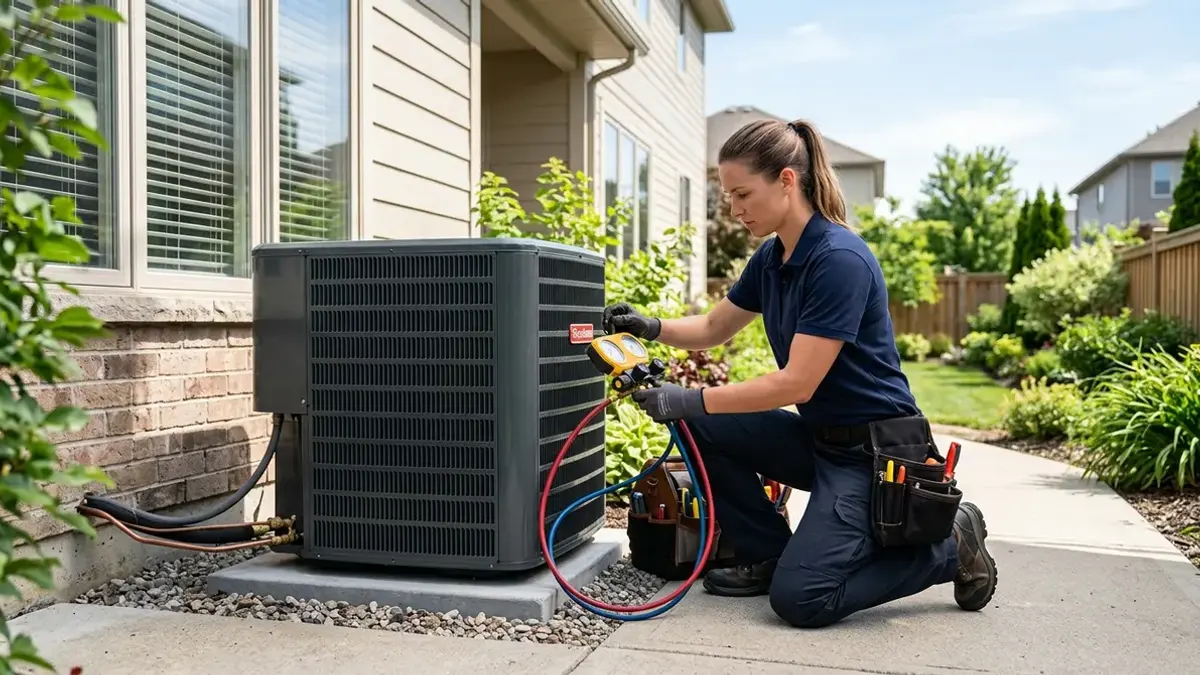
An air-to-water heat pump pulls heat out of outdoor air and moves it into water instead of into air. That warm water then runs through the same pipes, baseboard, radiators or radiant floor loops your boiler feeds today. The outdoor unit looks a lot like a central air condenser.
On a typical Long Island boiler system, the boiler heats water, a circulator pump pushes it through copper loops, and it comes back cooler to be heated again. An air-to-water system takes over that heating job, either in place of the boiler or beside it. The appeal is simple: you get heat pump heating without running new ductwork through the finished ceilings of a Cape or a split-level.
Which Long Island homes suit an air-to-water heat pump?
Homes that can stay warm on cooler water suit them best. That means radiant floors, oversized radiators, and houses insulated and air-sealed well enough that the existing heat emitters have capacity to spare. A drafty house with short runs of standard fin-tube baseboard is the hardest fit for this kind of system.
- Radiant floors: they spread heat over the whole floor, so they work with water far cooler than baseboard needs.
- Oversized radiators: big cast-iron radiators have a lot of surface, so they can still warm a room with cooler water.
- Well-insulated homes: if attic insulation, windows and air sealing have cut the heat loss, the same baseboard may now have room to spare.
- Harder fits: older ranches and split-levels with one short run of baseboard per room, sized when the boiler was the only heat source.
Will an air-to-water heat pump heat my house through standard baseboard?
Sometimes, but standard fin-tube baseboard is the weak spot. As of April 2024, the U.S. Department of Energy says current air-to-water units produce water at about 120 to 130°F, while boiler water typically runs about 180°F. Baseboard sized for hot boiler water may not keep a room warm on cold days.
That figure comes from a DOE guidance document written for large commercial buildings with boilers, not single-family homes, so treat it as a guide to the equipment rather than a promise about your living room. The same document says air-to-water efficiency improves at lower supply temperatures. Pushing a heat pump toward boiler-hot water costs efficiency, and baseboard puts out less heat as the water gets cooler. On a January night in Commack or Smithtown, that gap matters.
Homeowners who still want air-to-water in a baseboard house usually do one or more of these:
- Add baseboard length, or swap in larger radiators, in the rooms that run cold.
- Keep the boiler as backup for the coldest days.
- Cut the heat loss first with attic insulation and air sealing.
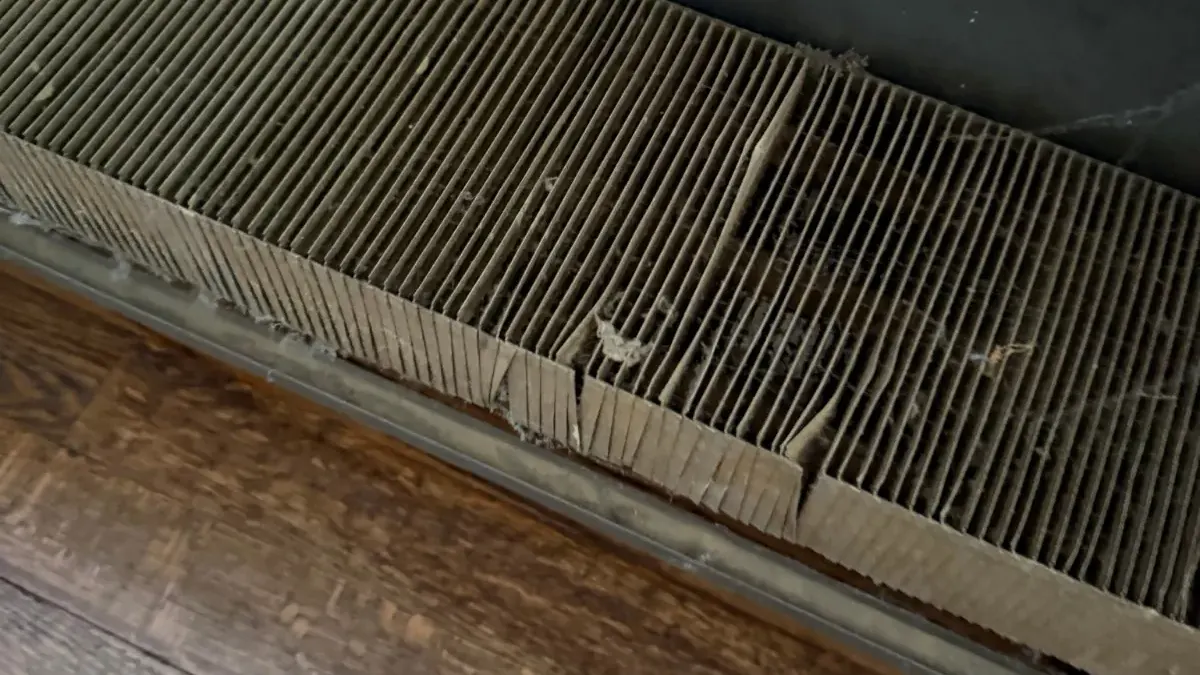
Tip from Waseem Shahzad, Lead Technician: before you judge any baseboard system, clean the fins and get the air out. In January 2026 in Huntington, a house with the heat on would only reach about 63 degrees. Waseem found the baseboard fins packed with years of dust and three rusty, leaking air bleeders. He vacuumed and hand-cleaned the fins, applied coil cleaner, straightened them, replaced the three bleeders and bled the system, and the heat came back strong. You can read the Huntington baseboard job, and our baseboard heat troubleshooting guide covers what you can check yourself. Clogged fins hurt any heat source, and they hurt most with cooler water.
What drives the cost of an air-to-water heat pump?
The size of your heating load, whether your baseboard or radiators can run on cooler water, and what happens to the boiler drive most of the cost. We don't have air-to-water install records of our own, so we won't put a price range on it here. Get quotes from installers who do this work.
Expect a quote to depend on:
- A room-by-room heat loss calculation (Manual J), which shows whether your existing baseboard can carry the house.
- Added baseboard or radiators in rooms that come up short.
- Your electrical service and whether the panel has room for the outdoor unit.
- How your hot water gets made today, since many Long Island boilers also heat the domestic water.
- Whether the boiler stays as backup with shared controls or comes out.
For the ducted and ductless heat pumps we do install, our heat pump cost guide for Long Island lays out the numbers, and the oil vs gas vs heat pump running-cost calculator compares fuels.
Does PSEG Long Island offer a rebate for air-to-water heat pumps?
Yes. As of July 2026, air-to-water heat pumps fall under PSEG Long Island's Home Comfort whole-house program, at a flat $4,000 per single-family home at market rate and more for qualifying households. Rebates are claimed through a PSEG Long Island participating contractor or directly with PSEG Long Island; confirm current terms at psegliny.com.
| Home Comfort tier (single-family) | Amount per home, as of July 2026 |
|---|---|
| Market rate | $4,000 |
| Market rate in a Disadvantaged Community | $5,000 |
| Moderate income | $5,000 |
| Low income | $7,500 |
As of July 2026, PSEG's heat pump rebate page says the system must meet 100 to 120% of the entire home's heating load, backed by a Manual J calculation, and the air-to-water unit must be on New York's qualified product list. If the boiler stays, the program requires dual-fuel or integrated controls with the heat pump as the primary heat. The work must be installed by a participating contractor, who submits the application. Rebates are claimed through a PSEG Long Island participating contractor or directly with PSEG Long Island; confirm current terms at psegliny.com. Our Long Island heat pump rebate guide covers the other programs.
Does K2 install air-to-water heat pumps?
No. K2 doesn't install air-to-water heat pumps, and none of our job records include one. We'd rather tell you that plainly than sell you a system we haven't put in. If you want one, look for an installer who can show you air-to-water jobs of their own.
What can a baseboard home do instead?
Most of our baseboard customers who want heat pump comfort go ductless and keep the boiler. Wall-mounted or slim ducted indoor units handle the cooling and much of the heating, and the boiler covers the coldest nights. We also keep the boiler side healthy with repairs and yearly service.
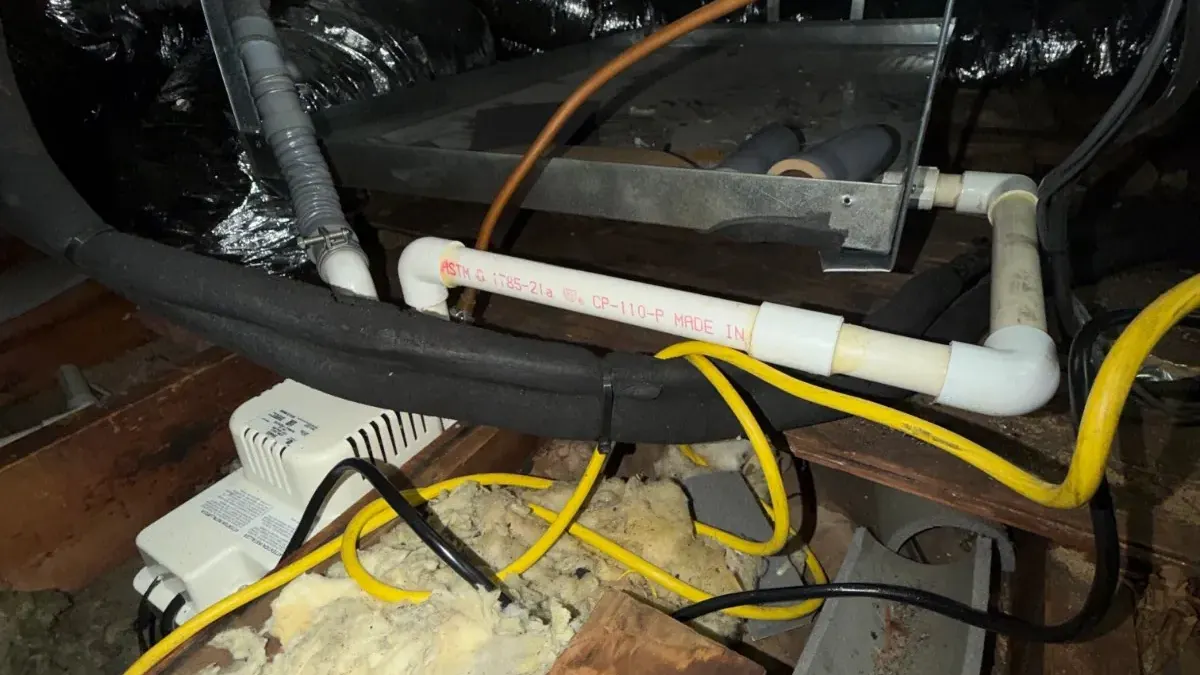
A dual-fuel heat pump setup pairs the heat pump with the boiler you already have. A ductless mini-split installation needs no ductwork, and one outdoor unit can feed several rooms. In May 2026 in Huntington, our crew replaced two old indoor air handlers and their two outdoor units with a Daikin multi-zone mini-split heat pump: a slim ducted air handler in the attic for the second floor and a ductless wall unit for the living room, 18,000 and 24,000 BTU zones on one 36,000 BTU outdoor unit. That job shows how indoor units of different types can share one outdoor unit and give each area its own control.
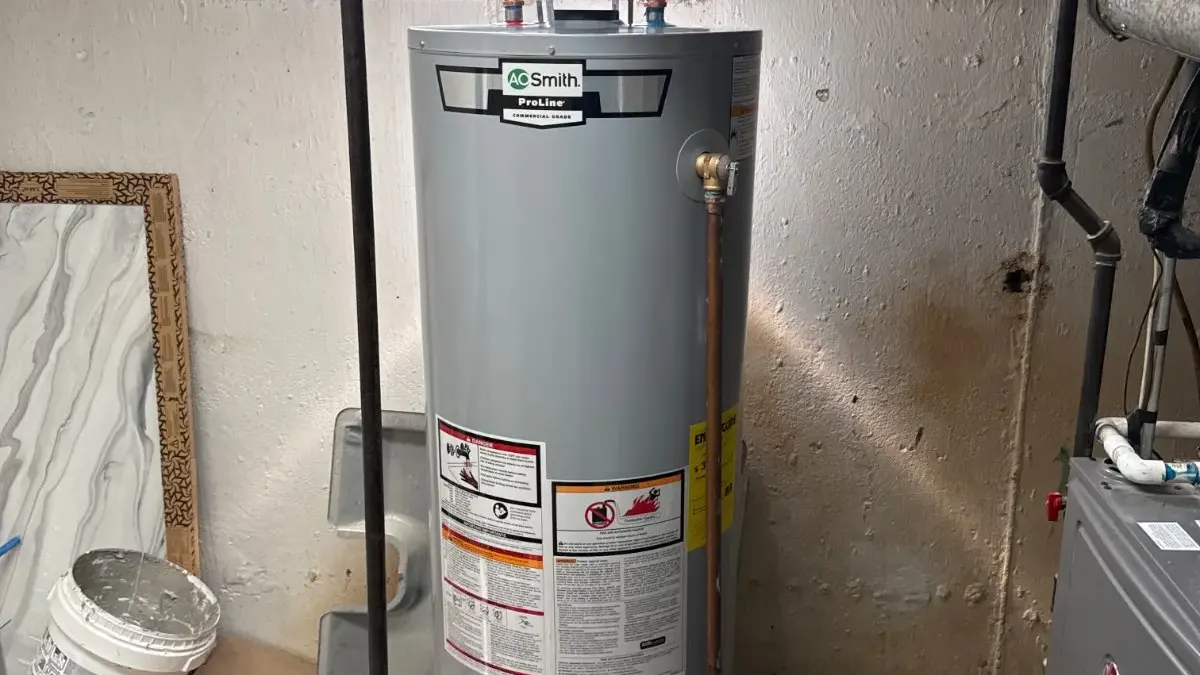
The boiler still matters. In October 2026 in East Islip, a new customer called with no heat. Waseem replaced the air bleeder, installed a new #30 expansion tank, replaced the safety relief valve and the circulator pump, then tuned up the system. That East Islip no-heat repair is the kind of work our boiler repair service handles every winter.
Our recommendation: if you have radiant floors or big radiators in a well-insulated house, air-to-water is worth a serious look with an installer who does them. If you have standard fin-tube baseboard, start by cleaning and bleeding what you have, then consider ductless heat pumps with the boiler kept for the coldest weather. That route adds cooling, keeps the heat you trust, and avoids gambling on whether your baseboard can carry the house on cooler water.
Call K2 Cooling & Heating at (631) 414-7141 to set up a visit. We'll look at your boiler, your baseboard and your layout, and quote the ductless and boiler work we actually do for homes within about 15 miles of Deer Park.
Need a technician rather than a guide? See our heat pump service, or read about HVAC repair in Huntington, NY. K2 answers 24/7 at (631) 414-7141.